

Can Dental Barrier Film Be Used in Endodontic Treatments?
Endodontic treatments, primarily known as root canal therapies, are a crucial part of modern dentistry. They aim to save teeth that are severely infected or damaged by removing the inflamed or infected pulp from the tooth's interior. Over the years, various tools and materials have been introduced to enhance the success rate and efficiency of these treatments. One such item that has drawn attention is the dental barrier film. As a supplier of dental barrier films, I am well - placed to discuss its potential use in endodontic treatments.
Understanding Dental Barrier Films
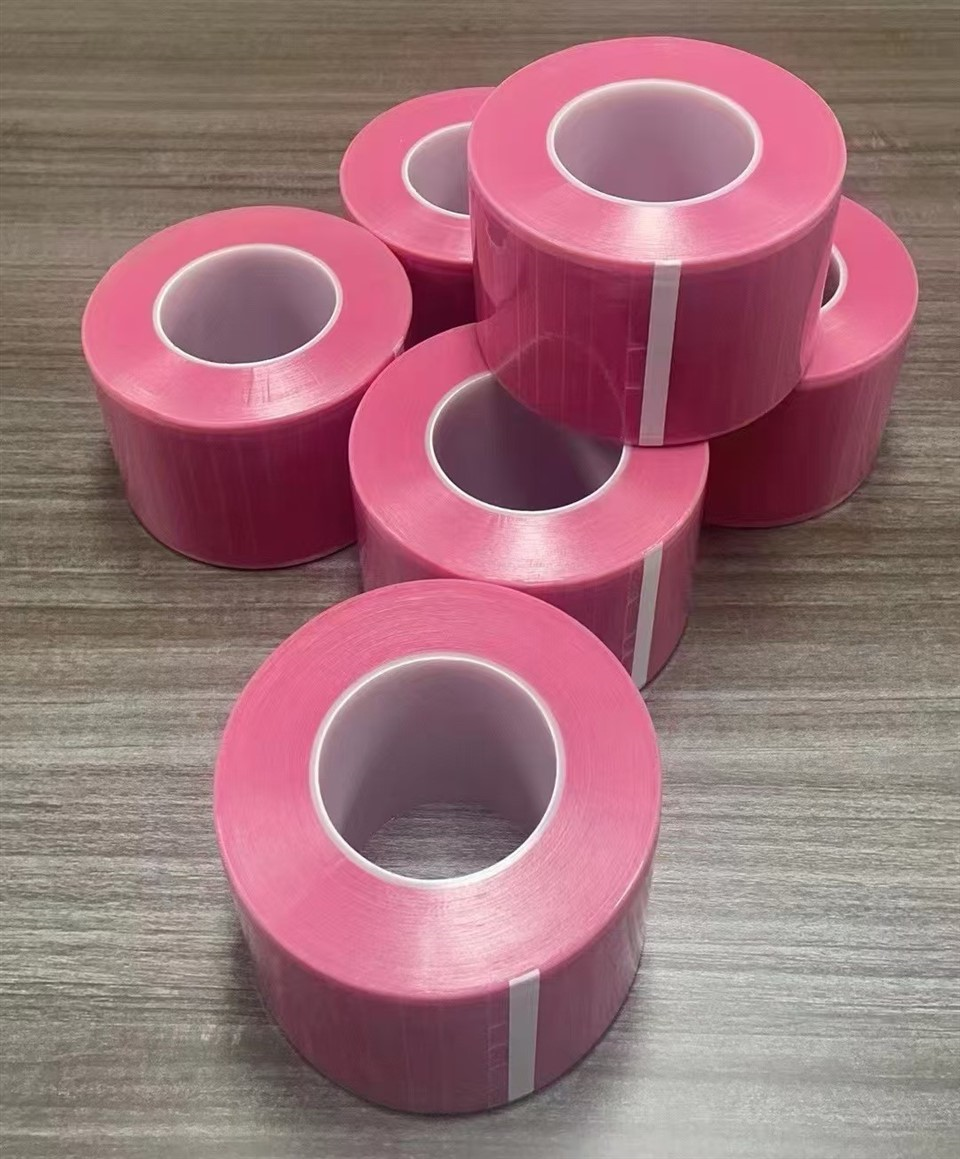
Dental barrier films are thin, flexible sheets that are commonly used in dentistry for various purposes. They act as a physical barrier, separating the treatment area from the surrounding oral environment. These films are available in different materials, such as polyethylene (PE), and come in various colors like blue and black. For instance, our The Disposable Isolation Film For Dentistry offers excellent isolation properties and is designed for single - use, ensuring hygiene.
The PE Blue Dental Isolation Film and PE Black Dental Barrier Film are two of our popular products. The blue film provides good visibility of the treatment area, while the black film can be useful in situations where a contrast against the tooth structure is desired.
Advantages of Using Dental Barrier Films in Endodontic Treatments
- Isolation of the Treatment Area
One of the primary challenges in endodontic treatments is maintaining a dry and clean working area. Saliva, blood, and other oral fluids can contaminate the root canal system during the procedure, leading to a higher risk of reinfection. Dental barrier films can be placed around the tooth being treated, creating a physical barrier that prevents these fluids from entering the root canal. This isolation is essential for accurate diagnosis, proper cleaning and shaping of the root canals, and successful obturation. - Enhanced Visibility
A clear view of the treatment area is crucial for endodontic procedures. The dental barrier film can help by reducing the presence of excessive fluids and tissues that might otherwise obscure the dentist's vision. The blue or black color of the film can provide a contrasting background, making it easier to identify anatomical features of the tooth, such as the pulp chamber and root canal orifices. This improved visibility can lead to more precise and efficient treatments. - Patient Comfort
Using a dental barrier film can also enhance patient comfort during endodontic treatments. It reduces the need for frequent suctioning of saliva, which can be uncomfortable for the patient. Additionally, the film can prevent the accidental ingestion or inhalation of small instruments or debris during the procedure, providing a safer and more comfortable experience for the patient.
Practical Considerations for Using Dental Barrier Films in Endodontics
- Proper Placement
To achieve the best results, the dental barrier film must be placed correctly. It should cover the tooth being treated and extend beyond the gingival margin to ensure effective isolation. The dentist needs to be careful not to damage the film during placement, as any tears or holes can compromise its effectiveness. Training and experience are required to master the technique of placing the film accurately. - Compatibility with Other Instruments
Dental barrier films should be compatible with other instruments used in endodontic treatments, such as rubber dams, clamps, and endodontic files. In some cases, the film may need to be used in combination with a rubber dam for optimal isolation. The dentist needs to ensure that the film does not interfere with the proper functioning of these instruments. - Cost - Effectiveness
While the benefits of using dental barrier films in endodontics are significant, cost - effectiveness is also an important consideration. The price of the film, along with the additional time and effort required for its use, needs to be balanced against the potential advantages. However, considering the potential reduction in treatment time, improved success rates, and enhanced patient comfort, the long - term cost - effectiveness of using dental barrier films can be quite favorable.
Evidence from Clinical Studies
Several clinical studies have investigated the use of dental barrier films in endodontic treatments. These studies have generally shown positive results in terms of improved isolation, visibility, and patient satisfaction. For example, a study published in a leading dental journal found that the use of a dental barrier film significantly reduced the contamination of root canals during treatment compared to traditional methods without the film. Another study reported that dentists who used the film experienced better visibility and were able to complete endodontic procedures more efficiently.
Conclusion
In conclusion, dental barrier films can be a valuable addition to the armamentarium of endodontic treatments. They offer numerous advantages, including isolation of the treatment area, enhanced visibility, and improved patient comfort. While there are some practical considerations, such as proper placement and compatibility with other instruments, the overall benefits make them a worthwhile option for dentists.
As a supplier of high - quality dental barrier films, we are committed to providing products that meet the needs of modern endodontic practices. Our The Disposable Isolation Film For Dentistry, PE Blue Dental Isolation Film, and PE Black Dental Barrier Film are designed to offer excellent performance and reliability.
If you are interested in learning more about our dental barrier films or would like to discuss potential procurement, please feel free to reach out. We are eager to engage in meaningful conversations with dental professionals to explore how our products can enhance your endodontic treatments.

References
- Author. Title of Article. Journal Name, Volume, Issue, Page Numbers, Year.
- Author. Title of Book. Publisher, Location, Year.