


Barrier Film
Wholesale Barrier Film Manufacturer
Haining Gaosheng Protective Film Co., Ltd., is a professional enterprise integrating R&D, production and sales of various surface protective films. Our products include Carpet Protection Film, Floor Protection Film, Tile Protection Film, Marble Protection Film, Glass Protection Film, Barrier Film, Stainless Steel Protection Film, Aluminum Protection Film, Anti-Static Film, Metal Protection Film, Household Appliance Protection Film, Car Protective Film, Packaging Stretch Film, Packaging Tape.
Why Choose Us?
Rich Experience
Haining Gaosheng Protective Film Co., Ltd. was established in 2002. After 20 years of intensive cultivation, it has become an enterprise with a certain reputation and customer trust in the industry.
Wide Range of Applications
Our products are widely used in industries such as aluminum-plastic panels, stainless steel panels, color steel panels, galvanized panels, glass, stone, electronics manufacturing, home appliances, automobile manufacturing, and high-end furniture.
Advanced Equipment
We have a full set of advanced film blowing equipment, printing equipment and a number of coating lines and cutting lines.
Professional Technical Team
We have an excellent and professional team with over 30 people working on researching, producing and sale.


Brief Introduction to Barrier Film
Barrier film is a type of disposable infection control product that is used to guard against the spread of germs and fluids across high touch surfaces. The plastic film found on a dental barrier film provides a physical barrier that prevents germs and fluids from reaching the surface below it. It is most commonly found in dental and medical offices and is used to protect equipment and other hard to clean areas.
What are Advantages of Barrier Film?
Protection
One of the most significant advantages of using transparent high barrier film is its ability to protect products from environmental factors such as moisture, oxygen, and UV light. This protection helps to ensure that products remain fresh and in good condition for longer periods.
01
Visibility
Transparent high barrier film allows products to be visible to the consumer, which can increase the appeal of the product and potentially increase sales. Customers can see the product's color, texture, and overall appearance, which can help them make an informed purchasing decision.
02
Flexibility
Transparent high barrier film is available in various thicknesses and can be used for a wide range of products, including food, medical devices, and electronics. It can also be formed into different shapes and sizes to fit the specific needs of the product.
03
Cost-effective
Transparent high barrier film is a cost-effective solution for packaging products that need protection and visibility. It is typically less expensive than other types of packaging, such as glass or metal, while still providing the necessary protection and visibility.
04
Eco-friendly
Many transparent high barrier films are eco-friendly and can be recycled or biodegraded, making them a sustainable option for packaging.
05
What are Features of Barrier Film?
Advanced Barrier Technology
Barrier Film utilizes cutting-edge technology to create a powerful shield against liquids, including water, chemicals, and other potential contaminants. Safeguard your surfaces with confidence.
Versatility at Its Best
Whether you’re in a medical setting, laboratory, office, or home, Barrier Film adapts to various surfaces, providing a versatile solution for all your protection needs. It’s suitable for countertops, trays, chairs, and more.
Transparent and Discreet
Enjoy uninterrupted visibility of your surfaces with our transparent barrier film. Its discreet design ensures that the protective layer doesn’t compromise the aesthetics of your furniture or equipment.
Long-Lasting Protection
Barrier Film is engineered for durability, providing long-lasting protection against daily wear and tear. Save time and resources by reducing the frequency of surface cleaning and maintenance.
Peel-Away Convenience
When it’s time to remove the barrier film, experience the convenience of our peel-away technology. The residue-free removal leaves your surfaces looking as good as new, without any sticky residue.
Wide Coverage
Each roll of Barrier Film offers ample coverage, ensuring you have enough material to protect multiple surfaces. Choose the size that fits your needs, and enjoy the benefits of comprehensive coverage.
Types of Barrier Film
Single Layer
Not much protection can be expected from a single-layer barrier film, but these materials can get the job done in many short-term food service applications, such as self-adhesive "cling film" made from soft polyvinyl chloride (PVC).
Polyethylene film (also known as shrink wrap), polyamide (nylon), and other single-layer films are quick and accessible at home. These products tend to fall short with large-scale transport, shipping, and storage.
At most, you may see an interior single-layer film used for individually-wrapped products in cardboard containers or tins, but they don’t serve as a primary protective layer.
Double Layer
With PVC or polyethylene as a common base, another film can be thermoformed on top of that initial layer to create a more stable material with superior properties.
This is how producers achieve a better balance of impermeability to both moisture, oxygen, and even temperatures — which can’t be accomplished by a single layer film alone.
For example, oxygen-proof polyamide combined with water-vapor-proof polyethylene will create an ideal double-layer film that can better protect food products and withstand harsher conditions for longer durations.
The advantage here is that double-layer films are still lightweight and highly flexible, morphing to the dimensions of a product and permitting transparency. However, these films can't be classified as high-performing, and aren’t recommended for large-scale transport and storage.
Moderate
Examples of moderate barrier films may include polyethylene terephthalate (PET), oriented polypropylene (OPP), or biaxially-oriented polypropylene (BOPP). These films offer strong barrier properties, including better moisture and oxygen protection, along with better labeling capabilities.
These films also have a better look and feel that can compete for consumer attention on store shelves. What's more, they can deliver a good user experience after purchase.
High Performing
At the top of the range for barrier films are high-performing materials made from multiple layers and including modern industrial additives and treatments.
The result is a highly customized end product, engineered with precision in the exact specifications of the producer.

● Open the box of dental barrier film.
● Look if the box has a roll where the barrier film can be attached to.
● Find an opening in the barrier film box.
● Then, open the dental barrier to release the sheet from the roll.
● Take the film sheets out of the box and put them through the opening.
● Then release these film sheets from the roll. Another dental barrier film sheet then comes through the opening. This enables easy access to dental barrier film and provides convenience.
● Lastly, make sure to completely clean the surface before placing these adhesive films on it so they can stick properly.
Dental Chairs
The adjustment buttons, armrests, and other parts of the dental chair can be covered with barrier film.
Light Handles
The handles of overhead lights, which are frequently adjusted during procedures, can be covered with barrier film.
X-Ray Machines
The control buttons and parts of the X-ray machine that are touched during the process can be covered.
Handheld Devices
Devices such as intraoral cameras, handheld X-ray units, curing lights, and other frequently touched tools can be covered with barrier film.
Countertops and Trays
Any surfaces where instruments are placed can be covered with barrier film to prevent contamination.
Keyboard and Mouse
In some clinics, computers are used to record patient information, and the keyboard and mouse can be covered with barrier film to prevent contamination.
Door Handles and Light Switches
These are high-touch areas that can be covered with barrier film.
The Considerations for Buying
The film material directly impacts protective ability. Assess durability, chemical compatibility and temperature/sterilization resilience to match clinical demands.
For most dental settings, standard polyethylene plastic films offer sufficient quality. Specialty clinics may require enhanced polyurethane blends.
Consider clinical workflow and equipment shape/type when selecting film styles. Barrier films are available in different:
Shapes: Rolls, sheets, custom sizes/die-cuts
Opening styles: Envelopes, pouches, sheaths
Attachment types: Adhesive, elastic, ties
Match film format and attachments to the surfaces they will cover. For example, monitors require flat sheets while handpieces need elastic pouches.
Trustworthy manufacturers produce reliable, high-functioning films tested to meet key standards. Research companies to confirm they:
Follow regulations: Comply with ISO quality and environmental standards.
Control manufacturing: Use sterile cleanroom processes and purified materials.
Verify performance: Validate microbial barrier effectiveness through lab testing.
Reputable suppliers provide assurance of consistent film quality and protection.
Barrier film is a daily cost for dental practices. Balance expense considerations with required clinical performance:
Polyethylene: Lower cost with adequate basic protection.
Specialty films: Higher prices for added features like radiolucency.
Bulk purchases: Greater savings for high volume users.
Pricing also varies between manufacturers based on film quality, production technology, custom capabilities, and brand reputation.
Our Certificate
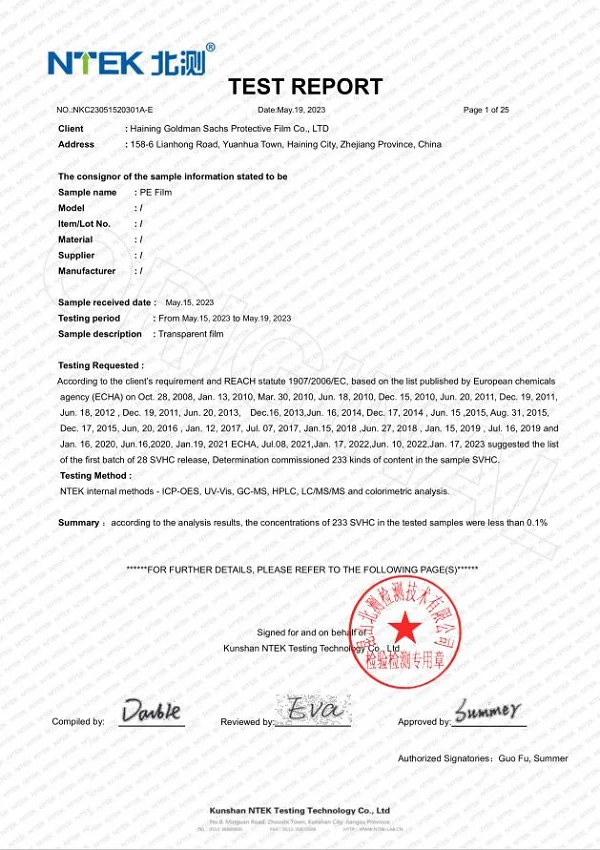
Our company have approved by ISO9001 International Quality System Certification, MSDS Report, ROHS Report and REACH Report, strictly carried it out in the process of research, production and selling.



Our Factory
The company has advanced printing equipment and coating equipment, adopts strict quality inspection system, and has passed ISO9001 management system certification for many years. The company always adheres to the tenet of building the foundation of quality, establishing the monument of quality, and raising the sail of the brand.


Contact Us
Name:
Serena
1
>>
Phone:
+86-18867669661
+86-18324364871
2
>>
Email: 1525262631@qq.com
3
>>
What's up/Wechat:
+86-18324364871
4
>>
Address:
No. 158-6, Lianhong Road, Yuanhua Town, Haining City, Jiaxing City, Zhejiang Province
5
Frequently Asked Questions
Q: What is Barrier Film Made Out of?
Dental barrier film can be most commonly found in rolls with perforated sheets to easily tear off and to be used at a moments notice. Barrier films also have a hollow plastic core to hold and distribute the barrier film sheets easily. The most common size of dental barrier film is 4 inches by 6 inches and comes in a roll of 1200 perforated sheets.
Barrier film is made up of a plastic film, similar to plastic wrap used in food service. There are two distinct sides on a barrier film. The outer side is a shiny side where fluids repel off of while the back side includes a low residue adhesive. While barrier film sheets will stick to surfaces, the low residue adhesive will not leave lasting marks on any surface. In the rare case of some minor adhesive residue, soap and water can remove it, leaving your surface as good as new.
Q: What is Dental Barrier Film Used For?
As the name suggests, dental barrier film can be most commonly found in dental offices. Within a dental office, there are many high touch surfaces that can be contaminated throughout the day as patients pass through the offices. Dentists will commonly use barrier film sheets on dental lighting, dental tools and dental chairs. These areas are very tough to keep consistently clean throughout the day so dental barrier film is a great way to keep it clean. By throwing and replacing barrier film sheets on these high tough areas after every patient has completed their visit, these areas can be kept clean.
Tattoo Parlors
Tattoo parlors are focused on keeping a clean workplace and to prevent the risk of cross-contamination. Tattoo artists are using barrier film sheets on their high touch areas in their workplace. This includes tattoo chairs, tattoo chairs, tattoo gun handles and ultrasonic tanks.
Food Delivery Drivers
Food delivery drivers are subject to many people and many environments. To prevent cross contamination, many drivers are using dental barrier film on the high touch surfaces within their cars. This includes car infotainment systems, climate control buttons and even door handles. By using dental barrier firm on these surfaces, drivers can prevent the transmissions of germs.
Q: How To Use Dental Barrier Film?
See if the box comes with a roll where the barrier film can be attached to.
Look for an opening in the dental barrier film box.
Open the dental barrier film to release the sheet from the roll.
Take the barrier film sheets and put it through the opening in the dental barrier film box
Close the box and pull your dental barrier film sheets through the box opening. The perforated sheets should release from the roll and another barrier film sheet should come through the opening. This allows for easy access to dental barrier film at a moment's notice.
Q: Does Barrier Film Leave a Residue?
It is important to make sure you look for the highest quality barrier film. While it may look great to save a few dollars with cheaper barrier film, there are potential issues including poor adhesive quality. Some of these lower quality barrier film will have adhesive that is too sticky resulting in residue left on surfaces while other barrier film will have adhesive that is not sticky enough leaving sheets that cannot stay on the surfaces. Both of these scenarios can be prevented if you only look for high-quality barrier film.
Q: What tests are needed to control the quality of Barrier Film?
Barrier films, particularly in thin plastic-based products, are an essential part of packaging solutions. Since the effectiveness of barrier films is vital to the overall performance of product packaging, quality control is critical.
We ensure your materials meet their designed permeation requirements through testing equipment and services. Our Permeation Analyzers have the most trusted repeatability in the market so that you are confident that your barrier films from different batches are of good quality and meet specified barrier levels.
Our instruments are designed for testing permeation of rigid and flexible barriers, from highly permeable breathable films, to ultra-high barrier films used in OLED. Our applications experts have extensive knowledge in permeation for barrier materials, which will help you choose the best solutions for your barrier film QC testing needs.
Choose an application below that is relevant to you to learn more and discover products specific to that application:
Permeation Film Testing
Packaging films require routine permeation testing to ensure films are produced to specification. We provide a broad line of permeation analyzers to test for oxygen, moisture and carbon dioxide permeation through films and packages.
Breathable Film Testing
Breathable films require high gas transmission rates through the film – and analyzers that can measure at this high-end of the range. We offer high oxygen transmission rate (OTR) and water vapor transmission rate (WVTR) analysis instruments to measure the permeability of high transmission rate films.
Ultra-high Barrier Film Testing
Permeation Analysis of ultrahigh barriers films requires the highest performance permeation analyzers to reach the low levels of gas transmission these barriers establish. We offer Permeation Analyzers with the lowest limits of detection for water vapor transmission rate (WVTR) and oxygen transmission rate (OTR) testing.
Q: What Are Examples of High-Barrier Films?
Ethylene-Vinyl Alcohol (EVOH)
A leader in oxygen barrier properties, EVOH is used to keep food and beverage items fresh, as well as medical products and cosmetics. EVOH works best in a layered configuration between an HDPE outer wall and an adhesive resin such as polyamide on either side.
This setup is found in many plastic bottles and jars, maximizing protection against a full range of gases and humidity while regulating temperatures.
Metallized Polyester (Mylar, VMPET, BOPET, & METPET)
A modern upgrade to aluminum foil, metallized polyester materials give you the best of both worlds in terms of thin thermoplastic films and superior barrier properties..
This combination is achieved by coating a polymer film with a thin layer of metal, giving the material a glossy metallic finish while enhancing oxygen and moisture barrier properties and retaining lightweight flexibility.
Mylar is a popular version of this high-performing film, used in electronics circuits, snack and coffee packages, decorations, and insulation.
Nylon (NY6)
Nylon film (a thin form of polyamide) is tough. It’s resistant to scratches, punctures, and flex-cracks, all of which can negatively impact the look and feel of products on the shelf.
Producers also have access to a wide variety of nylon film types, based on what they need in terms of barrier properties and visual attributes.
PVDC (Polyvinylidene Chloride)
PVDC excels in protecting products from vapor, moisture, and oxygen, and is often combined with other layers for increased effect.
On its own, PVDC is still a high-performance barrier film with great tensile strength, ideal for delicate and perishable products with see-through packaging.
Q: Why choose our Barrier Film?
Designed with an easy-to-use design, our barrier film can be applied quickly and easily to surfaces, creating a protective barrier that minimizes the risk of cross-contamination. It is available in a range of sizes and designs to suit different preferences and can be customized with various features to suit specific practice requirements.
In addition to providing reliable protection, our barrier film also helps to improve patient and staff confidence and trust in your practice. By creating a safe and hygienic environment for dental procedures, it creates a positive and professional image for your practice and improves patient and staff satisfaction.
Overall, our barrier film is an essential tool for any dental practice looking to provide a safe and hygienic environment for dental procedures. With its high-quality materials, efficient design, and easy-to-use features, it is a must-have for any dental professional.
To use, we recommend that you clean the surface prior to applying the sheeting. Areas that have the chance to become contaminated should be your first priority. With clean gloves or hands, disinfect the area and then place each cover so that it protects the entire surface. After a patient has been treated, carefully remove the plastic sheeting without coming in contact with the underlying surface. Apply new barrier film, and carry on with the rest of your day. Discard surface barriers after use. They can be thrown away with regular office waste (unless local laws prohibit it).
Q: What are the characteristics of Barrier Film?
Advanced barrier technology shields against liquids and contaminants.
Easy to Apply
Peel-and-stick design ensures a quick and hassle-free application process.
Versatile Use
Ideal for medical, laboratory, office, and home environments on various surfaces.
Transparent and Discreet
Clear design maintains surface visibility without compromising aesthetics.
Long-Lasting Durability
Engineered for durability, reducing the need for frequent replacements.
Peel-Away Convenience
Effortless removal with no sticky residue, leaving surfaces pristine.
Wide Coverage
Each roll provides ample material for comprehensive surface protection.
Q: What are Applications of Transparent High Barrier Film?
Food and Beverage Packaging: Transparent high barrier film is commonly used for packaging foods, such as fresh produce, meats, and dairy products. It is also used for packaging beverages, such as juice and water.
Medical Device Packaging: Transparent high barrier film is used for packaging medical devices such as syringes, needles, and implants. It helps to protect these devices from environmental factors and ensure they remain sterile.
Electronics Packaging: Transparent high barrier film is used for packaging electronics such as smartphones, tablets, and other electronic devices. It helps to protect these devices from moisture and other environmental factors that can damage the product.
Transparent high barrier film is an excellent choice for packaging products that require protection from environmental factors while still needing to be visible to the consumer. With its many advantages, including protection, visibility, flexibility, cost-effectiveness, and eco-friendliness, transparent high barrier film is a popular choice for a wide range of industries. By using transparent high barrier film for packaging, businesses can ensure their products are protected while also increasing their visibility and appeal to customers.
Q: What is the significance of Barrier Film in dentistry?
Dental barrier film is a self-adhesive, plastic wrap specially designed for high-touch areas that are challenging to clean, offering protection against bacteria and other pathogens. This dental barrier film features a protective coating on one side, coupled with an adhesive surface, ensuring it securely adheres in place. What's more, it can be easily removed without leaving any residue or mess behind.
Barrier films play a significant role in the field of dentistry, primarily in infection control and patient safety. These thin, disposable, and protective sheets are used to cover various dental instruments, equipment, and surfaces, providing a physical barrier that prevents the transmission of pathogens and contamination. It can be used in dental office, microblading tattoo shop, or home does it all.
Here are some of the key aspects of the significance of barrier films in dentistry:
Infection Control: Barrier films are crucial for maintaining a sterile environment in dental clinics and operating rooms. They act as a barrier between the dental professional and the patient, reducing the risk of cross-contamination. This is especially important in procedures where there is the potential for exposure to blood or other bodily fluids.
Here are some of the key aspects of the significance of barrier films in dentistry:
Patient Safety: Patients expect a clean and safe environment when they visit a dentist. Barrier films help ensure the safety of patients by preventing the transfer of bacteria and viruses from one patient to another. This is particularly important in the context of infectious diseases, such as HIV and hepatitis.
Instrument Protection: Barrier films are used to cover dental instruments, such as handpieces, mirrors, and explorers, to prevent contamination and maintain their sterility. This is important for ensuring that instruments used in procedures are free from pathogens.
Surface Protection: Dental chairs, lights, and other equipment can be covered with barrier films to prevent contamination from patient fluids and debris. This ensures that the clinic remains clean and minimizes the risk of infection.
Cost-Effective: Using barrier films can be a cost-effective method for infection control. While there is an initial cost associated with purchasing barrier film products, the time and resources saved on cleaning and sterilization can offset these expenses.
Barrier films are an essential component of infection control and patient safety in the field of dentistry. They help maintain a sterile environment, protect both patients and dental professionals from infection, and contribute to the overall efficiency and effectiveness of dental procedures.
Q: What are the characteristics of dental barrier film?
Easy Application and Removal: Available in both blue and clear, our dental barrier film features a low tack adhesive and non-stick edges. This ensures hassle-free application and removal without leaving any residue, enhancing patient comfort.
Convenient Dispenser Box: Each roll of our Dental Barrier Film is neatly packed in a dispenser box with a stand, ensuring a tidy and efficient setup in your dental office.
Perforated 4" x 6" Sheets: The film is conveniently perforated into 4" x 6" sheets, making it effortless to tear off the exact size you need for each application.
Plenty of Protection: You'll have an ample supply of dental barrier film to cater to your patients' needs, ensuring long-term safety and hygiene.
Q: What Is Dental Barrier Film Made Of?
Barrier film is a medical grade plastic film consisting of a low-tact, self-adhesive backing. The exterior consists of a shiner finish while the back consists of a low residue adhesive. While it is strong enough to stay stuck to hard, non-porous surfaces, it is easily removable without leaving last marks or any stick adhesive on the surface. Note that the barrier film sheets are single-use and is not meant to stay stuck on germanely.
Q: What is the main function of dental barrier film?
Applying clean barrier film before each patient is vital for infection control. Films create a protective layer over clinical surfaces, acting as a shield against contaminants. This prevents surfaces from becoming reservoirs for microbes during dental procedures.
Regularly replacing films ensures new, sterile covers are used for every patient interaction. This eliminates surface contamination build-up over time.
Cross-Contamination Prevention
Dental barrier film limits cross-contamination risks during dental care. Films prevent microorganism transmission by providing a cleanable layer over surfaces. They also stop body fluids and debris from permeating into porous surfaces.
This barrier effect contains contaminants to single-use film layers that are disposed of after each patient. Fresh films then protect the underlying clinical surfaces.
Maintaining A Hygienic Environment
Consistent use of surface barriers establishes a visibly hygienic clinical environment. The sight of clean films reassures patients that strict infection control steps are followed.
Barrier films also make cleaning simpler by limiting contamination of underlying surfaces. This upholds facilities’ sterile appearance and meets patient expectations for cleanliness.
We're well-known as one of the leading barrier film manufacturers and suppliers in China. Please feel free to wholesale high quality barrier film made in China here from our factory. For custom service, contact us now.
laminated barrier film, plastic barrier film, rolled barrier film