Packaging Tape

Wholesale Packaging Tape Manufacturer


Haining Gaosheng Protective Film Co., Ltd., is a professional enterprise integrating R&D, production and sales of various surface protective films. Our products include Carpet Protection Film, Floor Protection Film, Tile Protection Film, Marble Protection Film, Glass Protection Film, Barrier Film, Stainless Steel Protection Film, Aluminum Protection Film, Anti-Static Film, Metal Protection Film, Household Appliance Protection Film, Car Protective Film, Packaging Stretch Film, Packaging Tape.


Why Choose Us?

Rich Experience

Haining Gaosheng Protective Film Co., Ltd. was established in 2002. After 20 years of intensive cultivation, it has become an enterprise with a certain reputation and customer trust in the industry.


Wide Range of Applications

Our products are widely used in industries such as aluminum-plastic panels, stainless steel panels, color steel panels, galvanized panels, glass, stone, electronics manufacturing, home appliances, automobile manufacturing, and high-end furniture.

Advanced Equipment

We have a full set of advanced film blowing equipment, printing equipment and a number of coating lines and cutting lines.

Professional Technical Team

We have an excellent and professional team with over 30 people working on researching, producing and sale.


First 1234 Last

Brief Introduction to Packaging Tape


Packing tape is a pressure-sensitive tape used for closing or sealing corrugated fiberboard boxes. It consists of a pressure-sensitive adhesive coated onto a backing material which is usually a polypropylene or polyester film which is oriented to have strength in both the long (machine) direction and the cross direction.
A variety of backing strengths and calipers as well as adhesive formulations are available. It is often transparent or tan (beige, buff, brown). Other colors and printing are sometimes available.


What are Advantages of Packaging Tape?


Safety
Printing tapes with standard messages like ‘Fragile’, ‘Cold storage’, ‘Handle with care”, ‘Top load’, ‘This side up’ etc. ensures the safety of the products inside the package. These safety instructions safeguard your package during transit, delivery, and storage. They help the handlers and recipients to know how to handle and store them.


Tampering-Free
Tampering and thefts are very common during transit. Thieves will just open the box and take away the contents. Then they will repack it and you will not be able to detect that it was opened. This problem can be saved with the help of customized printed tapes. When your packaging tapes are unique no one else would have access to the box because they can’t repack it with the same tape. It is easy to find out that the box has been tampered with when the same tape is used again. Avoiding tampering is one of the biggest advantages of using custom-printed tape.


Branding
Branding is very important for a business because it helps in building relationships with customers and improves their loyalty toward your products. That is why all businesses spend a lot on advertisements, surveys, promotional events, and many more. Custom-printed tapes are wonderful tools to promote your brand within a limited budget. You can not only print the name and logo of your product but you can do more. You can print a coupon code on the tape. For example, you can give a discount for the next order. You can ask them to share a video of their unboxing experience that can be posted on social media. You can come up with unique ideas to promote branding with the help of printed packing tapes.


Budget-Friendly
Custom-printed boxes have all the benefits of using custom-printed tapes. However, tapes are cheaper and more affordable when compared to boxes. Moreover, it is one of the best marketing tools that enhance brand recognition and the reputation of your business. It is an inexpensive way to promote your products. When you get packing tape wholesale you will be able to save more money.


Tracking
If you print some identification code or batch number on the tape, it can be easily tracked. It is also easy to store and group. This is useful for the food and medicine industry because you can see all details from the label itself.


Building the Image of Your Business
A good impression is necessary to improve the image of your business. Printed tapes help in giving the best first impression. It creates a professional impression that helps to boost the image of your company among the customers. Moreover, it creates an identity and attracts the attention of the people.


Types of Packaging Tape
 

Brown Packing Tape
Brown parcel tape is the most familiar and by some margin, the biggest-selling. Used for bundling, sealing and wrapping, it is the ideal all-purpose tape for jobs that require strong and reliable seals.


Clear Parcel Tape
Clear parcel tape is simply packaging tape made from transparent plastic. Generally made from polypropylene, this is a versatile, general-purpose tape that offers the advantage of visually unobtrusive sealing.
The brand name Scotch tape is sometimes used as a synonym for transparent tape, but in fact, manufacturer 3M also makes brown Scotch packaging tape alongside adhesive tape in other colours.


Coloured Parcel Tape
Some manufacturers offer coloured packing tape - for example, white, pink, green, orange and yellow. These are ideal for easy colour coding in warehouses, factories and other commercial environments, quickly classifying particular pallets and parcels for storage or processing purposes.


Paper Parcel Tape
Paper parcel tape is a more traditional product which has returned to favour in recent years. It features gummed, water-activated adhesive on tear-resistant paper. The adhesive activates when moisture has been applied using a special dispenser, creating a particularly strong bond in which the glue soaks right through into the neighbouring cardboard and blends with this material, making it highly resistant to tampering.
As this eco-friendly tape is made from paper, it is both biodegradable and fully recyclable.


Fragile or Printed Parcel Tape
Fragile parcel tape is an eye-catching, sturdy plastic wrapping material which performs one simple, specialist function. It declares that the contents of the parcel are fragile and should be handled with care. Fragile parcel tape is a familiar sight in post offices but is also used in commercial settings which routinely ship products requiring careful handling.


Vinyl Packaging Tape
PVC or vinyl packaging tape features greater sticking strength and tear resistance than standard polypropylene tape, but it is no harder to apply manually or via a dispenser. It also produces less noise when applied and it can withstand low temperatures without the adhesive becoming inert, making it the ideal choice for use in refrigerated environments.


Reinforced Parcel Tape
Heavy-duty packaging tape offers additional strength for demanding jobs. Reinforcement is provided by the addition of glass filaments which make the tape much harder to rip and also provide greater sticking power. You can use strong packing tape with metals and plastics as well as cardboard and paper.


Common Uses of Packaging Tape

Branding
Our favorite, obviously! You can use custom packing tape to advance your branding initiatives. Custom printed tape enhances brand exposure and impressions, serving as a cost-effective mini-billboard with your company’s logo, contact information, or promotional message.


Sealing
Sealing packages is the most common use for packing tape. The right tape for your application will depend on factors such as package weight, temperature, and security requirements. The heavier your packages, the thicker and stronger your packing tape should. You want a strong bond that protects your goods.


Wrapping
Wrapping is another use for custom packing tape that helps hold items in place and adds a layer of protection from outside elements, such as dirt and moisture. For large wrapping jobs, consider longer-length rolls to reduce the frequency of reorders.


Reinforcing
If you’re sealing a heavy or awkward package, reinforcing it with a strong custom packing tape can enhance package integrity and security. Go for a paper tape with reinforced fiberglass threads or a utility-grade strapping tape for this application.

Bundling

Bundling packages is yet another use for custom packing tape. For the best results, look for a utility-grade strapping tape with a synthetic rubber adhesive for a long-lasting bond, moisture- and solvent-resistant properties, and a split- and crack-resistant backing.

Unitizing

You can also use certain types of packing tape for unitizing pallets, making it easier to transport them into carrier vehicles to maximize shipping productivity. If you’re looking to unitize your packages, look for strapping packing tape with reinforced fibers.

Masking

Some types of packing tape can also take on your heavy-duty masking applications. If you have a masking job that requires a stronger solution than traditional masking tape, look for a robust flatback packing tape with low-tack adhesive properties.

Edging

You can use specialized types of packing tape for your edging jobs, too. Like for masking applications, go for a flatback solution with low-tack adhesive properties that allow you to apply and remove without leaving residue behind.

Binding

Binding packages or goods is another optimal use for specialty types of packing tape, like flatback tape. This easy-to-use product is easy to dispense and tear and features low-tack adhesive properties, leaving no residue.

Splicing

Splicing is another use for packing tape, where you can make manufacturing processes continual by joining the end of a web or roll of material with another. A splicing tape that’s easy to dispense and tear can produce the best results.


Components of Packaging Tape


The Backing or Carrier

This the material its made from. In the case of packing tape, the backing is often made from polypropylene, vinyl or kraft paper. Other more technical tapes might have a backing or carrier made from other materials such as crepe paper or even cloth.


The Adhesive

This is the stuff that makes packaging tape stick. There are several different adhesives including acry.


The Liner

When it comes to packing tape, a liner is sometimes used on some pressure sensitive tapes or double sided tapes. It stops layers of the backing material from sticking together.


The Considerations for Buying

Weight of the package
Heavier loads tend to put more stress on packages. For heavier loads, strong and wider packing tape is recommended.


Stability of Package Contents
Contents that shift within a package tend to cause more stress on the center seal and a stronger wider tape should be considered.


Value of Package contents
When the content of a package is considered valuable, and stronger wider tape should be used to ensure a safe seal and delivery.


Length of Package
Wider stronger tapes are ideal for long packages with heavy content. If the package does not contain heavy contents, a 2-inch tape may be used.

Width of Package

Commonly a 2-inch tape is ideal for packages up to 24 inches wide. If the contents of the package are not excessively heavy or contain sharp edges. If the package or box exceeds 24 inches a stronger wider tape should be considered.

Strength of Package or Box

Heavy board boxes have a higher strength in the box flaps and put more pressure on the tape seal. Tapes with high shear strength adhesives are recommended for these types of boxes. Rough and corrugated boxes tend to have a washboard surface that may require special high tack adhesives. Box strength is commonly measured in two forms of measurements.

Method of Shipping

Cartons shipped individually tend to have more pressure placed upon them due to individual handling. Boxes shipped on pallets are generally sent as a unitized load which exerts less pressure on each box. High or low temperatures when shipping should also be considered when choosing a packing tape. Temperatures, sunlight, and moisture all impact the seal of packing tapes.


Our Certificate

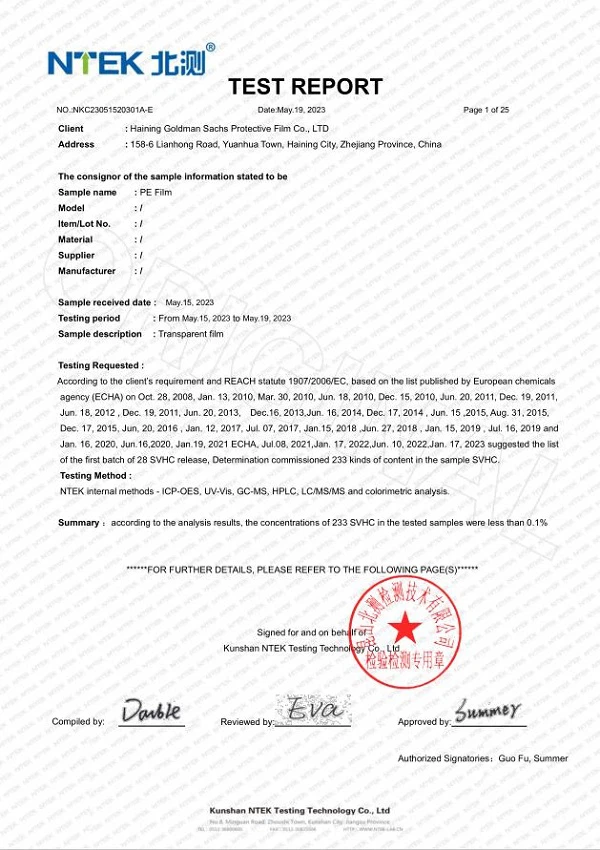
Our company have approved by ISO9001 International Quality System Certification, MSDS Report, ROHS Report and REACH Report, strictly carried it out in the process of research, production and selling.

 

productcate-1-1
productcate-1-1
productcate-1-1
productcate-1-1


Our Factory

The company has advanced printing equipment and coating equipment, adopts strict quality inspection system, and has passed ISO9001 management system certification for many years. The company always adheres to the tenet of building the foundation of quality, establishing the monument of quality, and raising the sail of the brand.

productcate-1-1
productcate-701-349
productcate-702-344


Contact Us


Name:

Serena

1

>>

Phone:

+86-18867669661

+86-18324364871

2

>>

Email: 1525262631@qq.com

3

>>

What's up/Wechat:

+86-18324364871

4

>>

Address:

No. 158-6, Lianhong Road, Yuanhua Town, Haining City, Jiaxing City, Zhejiang Province

5


Frequently Asked Questions


Q: How to Use a Packing Tape Dispenser?

A: While packaging tape can be applied manually, by simply pulling it from the roll and then cutting to the required length, it is easy for the tape to twist and tangle. Tape dispensers and tape guns are commonly used tools to avoid wastage and ensure a smooth stick.
Parcel tape dispensers are plastic cartridges which hold rolls ready for use, with the end extended towards the cutting mechanism or serrated edge where it rests until use. They are simple devices. Users pull the tape forward and then pull down vigorously to cut the tape to the required length.
Hand-held tape dispensers are often called tape guns. These work on the same principle - larger rolls of tape are fixed onto a revolving wheel, with the tape end extended to the cutting edge. Users grip the device using the large, tactile pistol-grip handle and apply the tape directly to the target surface.
This explains how to load and use a parcel tape gun:
Fix the tape onto the wheel, making sure it is correctly aligned
Extend the tape end to the cutting edge - typically by threading it firmly through a dispensing slot below the cutting mechanism. Make sure the tape is smooth and has not twisted or formed air bubbles
If the gun features a pressure-adjusting handle, use that to ensure the tape is taut and ready for use
Press the tape to the box or package and pull along the surface
Cut the tape
For high volume professional use, tape dispensing machines are deployed on automated packaging lines, often with special low noise tape.

Q: What adhesives are used in Packaging Tape?

A: Packaging tape is an industrial-grade tape intended to close and seal a box for shipment. Sounds pretty simple right? Well, once you think of how many different sizes, weights and shapes of boxes there are out there, you quickly realize that packaging tape has to perform for an extremely wide variety of applications.
Next we can take a look at adhesive, because, after all, tape is pretty useless without the sticky stuff. And, believe it or not, the presence of an adhesive doesn't necessarily ensure that it will stick. It's all about matching the right adhesive to the right box and under the right conditions. There are three major types of adhesive out there:
Natural Rubber - an aggressive adhesive used for problematic boxes with high recycled content (corrugated dust), irregular surfaces in normal and/or cold temperatures.
Hot Melt - A common packaging tape adhesive, used for sealing boxes with low recycled content around room temperature.
Acrylic - A common and economical packaging tape adhesive, used for sealing boxes with low recycled content in cold temperatures.
As you can see, each type of adhesive is designed to fit a particular need - whether it be cold temperatures or problematic corrugated. Natural Rubber is the most widely used here in Australia due to its ability to adhere to almost anything. Whilst it is slightly more expensive it is easier to use and you can have peace of mind that it will stick every time. Hot melt is also a good adhesive and has a high initial tack. One problem with this product is it doesn't perform as good in our hot sun as Natural Rubber. Acrylic adhesive is generally used as a cost cutter. If you use kilometers of packaging tape you may want to consider this option.
Now that we've covered adhesive, an equally-important factor of thickness. Tape thickness is usually measured in microns,. There are sometime two measurements of thickness - both of the adhesive and the backing. The adhesive thickness will give you an idea, based on the quality and tack of the adhesive, of how much adhesion force the tape will exert on the box. The backing thickness will give you an idea on the break / shear strength of the tape (in other words, how much weight the tape can hold). Usually, packaging tape is expressing as a "backing thickness," so you may wish to inquire further to find out the adhesive thickness.
Since a certain micron (um) thickness of backing will only hold a certain amount of weight per lineal mm, there is an optimum amount of adhesive to put on the tape that will accompany the adhesion force needed for that amount of weight. So, simply put, usually the um thickness of the packaging tape adhesive is proportional to the backing thickness, since the two have to work together to keep the box properly sealed.
So when selecting the appropriate thickness, think about weight. The thicker the tape, the more box weight it can support. Most backings are polypropylene, due to its flexibility and strength that allows it to unwind easily and uniformly. Thankfully, it usually is about that simple. Several manufacturers combine a series of additives to the polypropylene to make it stronger, each with their own recipe, but overall the strengths are pretty similar.

Q: What are the common types of Packaging Tape?

A: Parcel tape, colloquially box tape or packing tape, is a simple, medium-strength tape designed for sealing corrugated fiberboard seams. It is widely used in package delivery and mail services, as well as general sealing and enclosing. Brown-colored and translucent tape is most common, but other designs with messages or patterns are manufactured. Adhesion is achieved by pressure sensitive or water-activated designs on a paper, polymer, or acrylic carrier.
 
Filament tape (a.k.a strapping tape) is a high-strength, pressure adhesive type of packaging tape, and is most often used for bundling items, pallet stacking, and seam sealing. The carrier is frequently polyester or polypropylene and fiberglass, providing the capability to withhold several hundred pounds of pressure. Multiple pieces of tape in a cross-seam orientation can significantly increase box strength.
 
Light-duty packaging tape is used for simple sealing and enclosing operations. It typically has a rubber resin, pressure sensitive, or acrylic adhesive. Easy to dispense and handle, some durability and strength have been sacrificed for a consumer-friendly design.
 
Security packaging tape is applied to containers to provide a tamper-evident seal. This is common for medicinal and nutritional products. It is usually a secondary form of packaging.
 
Wraps are self-adhering films that envelope items in a polymer layer. These are helpful for waterproofing and containment. The most common packaging wrap is shrink wrap, which provides a profile-clinging boundary when heat is applied to the wrap.
 
Corrosion inhibiting packaging films and wraps are coated with rust-inhibiting chemicals that migrate to packaged metal components. This helps prevent oxidation during long periods of transportation or disuse. These are easy solutions to rust prevention, and are non-toxic.

Q: Why is my packing tape not sticking?

A: One common problem with packing is that sometimes the tape doesn’t stick. Perhaps it’s too cold, which makes the adhesive fail. High temperatures and humidity levels can also cause the tape to lose adhesion. As a result, it’s important to choose a tape specifically designed for cold or humid environments.
If your packing tape doesn’t stick, another reason is the tape is too old already, or you stored it in an environment with low temperatures or high humidity levels. Also, packing tape may only be good for 12 months (not good for long-term storage). As a result, you should avoid storing too much packing tape and pick an order size appropriate to your delivery volume (rough estimate of one roll of tape for 30 boxes).
If you want your packing tapes to last long and maintain their adhesion, you have to store them in a:
Cool and dry place
4 to 27°C
40 to 50% relative humidity
Away from direct heat and sunlight
You also have to keep the tape in their plastic packaging until they’re ready for use. It also helps to do “first in, first out” in using the rolls of tape. This way, you help ensure that the tape will function perfectly, and you can prevent misshaping and deformities when sealing the boxes.

Q: What to look for when buying packing tape?

A: When choosing which packaging tape to use, consider the following:
Grade
Temperature
Adhesive
Colour
Width
 
Grade refers to the tape’s thickness and construction. Stronger tape has a higher grade and is ideal for sealing heavy boxes. Lower tape grades are still strong enough to hold a lightweight package.
You should also consider the temperature conditions your packages will be stored and transported. For instance, in cold temperatures, most types of tape will lose their adhesion and effectiveness, making the seal weaker and potentially increasing the risk for theft, damage, and loss of items.
Acrylic, hot melt and solvent-based are the different types of adhesives used in packing tape.
Acrylic adhesive also works well on plastic-based surfaces.
A packing tape with a hot melt adhesive creates a strong bond with cardboard surfaces
Solvent adhesives are ideal for heavy-duty packaging (works well even in high temperature and humidity levels and other extreme conditions).
You should also consider colour when choosing packing tape. This is for branding and coding reasons. You may want your customers to easily remember your packaging or set your deliveries apart. You may also want to use a custom printed tape for colour-coding (e.g. red means fragile or requires extreme caution and long-distance transport).
You also have to consider width when choosing a packaging tape. A packaging tape for box sealing is often 48 to 72 mm (around 2 to 3 inches). These widths are already good enough for sealing a cardboard box up to 60cm wide. But for bigger boxes, you have to look for a wider packaging tape.

Q: How Tape Is Made?

A: The adhesive used in making packaging tapes is the biggest differentiator. Hot melt tapes go through heat to blend and coat them during manufacturing. They are made through an extrusion process that involves subjecting all adhesive components to heat and pressure for blending. This process results in a tape with high cohesive strength. This means that the tape requires great force to reach its breaking point. The synthetic rubber gives the tape elasticity, strength, and resilience to the adhesive. After extrusion, the adhesive is coated to the film, then cooled down and rewound to make a huge tape roll. 
Acrylic tapes, on the other hand, are simple to make. They are made by blending an adhesive with water or solvent and then coating to the film. Blending makes the coating process easy. After coating, the solvent evaporates and is trapped back through an oven heating system. This process leaves the acrylic adhesive behind. Manufacturers then rewound the coated film into a big roll of tape. 
Although the manufacturing process is different, the conversion process is the same. This process entails cutting down the big roll of tape into smaller rolls that customers know. 
Therefore, shipping tape is made from a hot melt adhesive that makes it strong enough to secure packages through rough handling and multiple touch points with storage and shipping. When dispensed, shipping tape crackles loudly. 
Packing tape, on the other hand, is made from a heavy acrylic adhesive designed to help it survive long periods of heat and cold. As a result, it is smooth and has a quiet release from the roll when dispensed. 

Q: How Do You Choose the Right Packaging Tape?

A: With so many options, it can be difficult to know what is the best packing tape. Consider the following factors to help you make your decision.
 
Grade
Grade refers to the tape’s thickness, indicating its holding power and tensile strength. Packaging tape is available in various grades. When deciding which grade of tape to purchase, consider factors like package size, weight and the manufacturing and shipping environment where the tape will be used. You’ll want to use higher-grade tape for larger, heavier packages in more extreme environments.
Lower grades are best for holding lightweight packages together, while heavier grades are best for sealing boxes and containers.
Masking tape, for example, has a low-grade and is useful for lightweight or less intensive shipping. Filament and mil-spec tapes are higher grades and recommended for intensive handling.
 
Adhesive
You can choose packaging tape formulated with different adhesives. Here are three adhesive options:
Acrylic: While a bit more expensive, tapes with acrylic adhesive can hold up in extreme hot and cold temperatures, so you can safely ship products regardless of the climate or weather. It’s a top choice for plastic materials, but it’s useful for other materials, too. Acrylic tape is suitable for packages that stay at warehouses or a single location for an extended period.
Hot melt: Hot melt adhesive tape is made of thermoplastic polymers. While it cannot perform at the same extreme temperatures as acrylic tape, hot melt tape is stronger. It’s appropriate for shipping products in relatively steady temperatures.
Solvent: Solvent adhesive packing tape is ideal for heavy-duty packages and can perform well in high temperatures and humidity levels.
 
Temperature
Temperature can play a significant role in the effectiveness of your tape. For example, in colder environments, tape can lose its adhesion and break the seal you created.
You can avoid this problem by using specialized tape. As discussed, many tape varieties can accommodate hot or cold weather.
 
Delivery Method
Your products’ delivery method should also inform the type of packaging tape you use. Packages can experience many adverse conditions or events during shipment, so it’s essential to use protective tape and packaging materials.
Your packages will be subject to more pressure if they are shipped individually, so heavy-grade packing tape is best. However, bulk or other group shipping options may only need lower-grade tape.
 
Length and Width of the Package
Above all else, you want to choose a quality packing tape that creates an effective seal on the openings of your packages. Long and wide boxes require more and stronger tape than smaller boxes.

Q: What are the benefits of using clear packing tape on colored surfaces?

A: Using clear packing tape on colored surfaces can have several benefits, including:
Transparency: Clear tape is transparent, which means that it will not cover or obscure the color of the surface it is applied to. This can be beneficial when packaging items with colored labels or designs, as it allows the colors to show through and maintain their original appearance.
Versatility: Clear tape can be used on a wide range of colored surfaces, including paper, cardboard, plastic, and fabric, making it a versatile option for packaging and labeling.
Discreet: Clear tape is also discreet, it will not stand out and it can blend in with the background, making it an ideal choice for packaging items that will be on display, such as in a retail setting.
UV resistant: Some clear tapes are UV resistant, which means that it will not yellow over time and will remain clear even if exposed to sunlight, this can be beneficial when packaging items that will be stored or used outdoors.
Easy to remove: Clear tape is easy to remove, which means that it can be removed without leaving a sticky residue or damaging the surface it was applied to.
Easy to write on: Clear tape can be written on with a pen or marker, which means that it can be used as a label and can be useful when packaging items that need to be identified or tracked.
It is important to note that clear tapes also have a few limitations, such as it can be hard to find if the tape is on a clear or light surface and it can be hard to notice if it's not applied properly.

Q: What are the benefits of using custom tape for packaging, compared to using standard clear packing tape?

A: Custom tape for packaging offers several benefits over standard clear packing tape:
Branding: Custom tape provides an opportunity to showcase your brand, which helps to increase brand recognition and customer loyalty.
Durability: Custom tape can be made from high-quality materials, which makes it more durable than standard tape and better suited for heavy-duty packaging applications.
Security: Custom tape can be printed with security features, such as holograms or watermarks, to prevent tampering and counterfeiting.
Tamper-evident: Custom tape can be printed with "void" or "security" messages, which become visible when the tape is removed, providing a tamper-evident solution.
Marketing: Custom tape can be printed with promotional messages, product information, or special offers, providing an additional marketing opportunity.
Overall, custom tape offers a more personalized, high-quality, and secure solution for packaging compared to standard clear packing tape.

Q: Which works better, clear packing tape or brown packing tape?

A: Both clear and brown packing tape can work well depending on the situation and intended use. Here are some factors to consider when choosing between clear and brown packing tape:
Visibility: Clear packing tape is ideal if you need to see what's inside the package. If you're shipping an item that needs to be inspected, or if you're using the tape for labeling or organizing purposes, clear tape would be the better option.
Strength: Brown packing tape, also known as shipping tape, is typically thicker and stronger than clear tape. If you're shipping heavy items or items with sharp edges, brown tape may be a better choice.
Environment: Brown packing tape is often made from recycled materials and is more eco-friendly. However, clear tape can be more versatile and suitable for different types of packaging, especially if you're shipping fragile items.
In summary, both clear and brown packing tape can work well depending on the situation. It's important to consider factors such as visibility, strength, and environment when deciding which type of tape to use.

Q: Why is the right tape so important?

A: While you may think that packaging tape only serves one purpose, you may be surprised to learn just how versatile this product can be and in turn, how important your packaging tape choice is!
As you’re no doubt aware, packaging tape is most commonly used to package materials like cardboard cartons and boxes, so that their contents stay safely inside while in transit. A good quality packaging tape will ensure that a carton or box stays securely sealed. However, there are many other ways that packaging tapes can be used which is why the tape that you choose is so important.
Other uses for packaging tape can include providing important messages or warnings about the contents inside. Some items are breakable and will need to be handled with extra care so placing something like fragile tape on the exterior of the box, will ensure that couriers know how to handle packages.
Another great use for packaging tape that shouldn’t be overlooked is the ability to advertise your logo or message, and give your brand a competitive edge. Say you use plain stock cartons to send something like orders to customers – an easy way to add your branding or company to the box is by using custom printed tape. Tapes can now be printed in almost any colour and with any message you require, there are also options to print on paper tape should you need a more sustainable alternative.

Q: Why do Packaging Tape Grades Matter?

A: QPackaging tape grades indicate different construction and uses.
In packaging tape, grade refers to the construction of the tape. Grades are made with varying levels of film and adhesive thickness to deliver a range of different holding power and tensile strength.
Packaging tapes are available in a variety of grades, from general purpose to heavy-duty. All of them are engineered to deliver case-sealing performance that can withstand the rigors of the supply chain based on shipping needs.
 
Tape Construction
Tape grades are in part impacted by construction. Tapes have three elements:
Release Coating – Makes it easier to unwind the tape, especially in automated case-sealing environments.
Adhesive – Provides the “stick” needed to create a secure carton seal.
Fun Fact: Hot melt adhesive tapes offer the highest holding power to fiberboard in the industry.
Backing – Gives the tape the strength to resist the rigors of the supply chain.
 
Tape Grades
When looking at tape grading, the thing to keep in mind is simple: the higher the grade, the more heavy-duty the tape. Higher grades of tape are thicker due to their more durable backing and greater amount of adhesive.
Tapes with a total thickness of 1.6 and 1.9 mils, respectively, are designed to be cost-efficient without sacrificing performance.
Tapes that range in thickness from 2.5 mils to 3.4 mils are a great choice for e-commerce or single-parcel shipments, while some thicker tape grades are recommended for use for higher-value items like computer equipment and electronics, as well as for ammunition.
 
Choosing the Right Grade
When deciding which tape to use, it’s important to factor in grading. Understanding your packaging needs such as type of cartons used, the contents of your cartons, as well as environmental requirements can help you eliminate costly errors such as failure that damages product, leads to downtime, or leaves cartons prone to theft.

We're well-known as one of the leading packaging tape manufacturers and suppliers in China. Please feel free to wholesale high quality packaging tape made in China here from our factory. For custom service, contact us now.

scotch packing tape, Clear Packing Tape, 3M Packaging Tape