

Chemicals play a crucial role in various industries, and the dental field is no exception. As a leading supplier of Dental Barrier Film, I have witnessed firsthand how chemicals can impact the performance of these essential products. In this blog post, I will delve into the ways in which chemicals affect the performance of dental barrier film, exploring both the positive and negative aspects.
Chemical Composition of Dental Barrier Film
Dental barrier films are typically made from polymers such as polyethylene (PE), polyvinyl chloride (PVC), or polyurethane (PU). These polymers provide the film with its basic physical properties, such as flexibility, strength, and transparency. However, the addition of various chemicals can further enhance or modify these properties to meet the specific needs of dental applications.
One of the most common chemicals used in dental barrier film is plasticizers. Plasticizers are added to polymers to increase their flexibility and reduce their brittleness. This makes the film easier to handle and conform to the shape of the oral cavity. However, some plasticizers have been associated with health concerns, such as endocrine disruption and cancer. Therefore, it is important to choose dental barrier films that use safe and approved plasticizers.
Another important chemical component of dental barrier film is additives. Additives can be used to improve the film's performance in various ways, such as enhancing its antimicrobial properties, reducing its friction, or increasing its resistance to moisture. For example, some dental barrier films are treated with antimicrobial agents to prevent the growth of bacteria and fungi on the surface of the film. This can help to reduce the risk of infection during dental procedures.
Positive Effects of Chemicals on Dental Barrier Film Performance
Chemicals can have several positive effects on the performance of dental barrier film. One of the most significant benefits is improved flexibility and conformability. As mentioned earlier, plasticizers can make the film more flexible and easier to handle, allowing it to conform to the shape of the oral cavity more effectively. This can help to ensure a better seal and reduce the risk of leakage during dental procedures.
Chemicals can also enhance the antimicrobial properties of dental barrier film. By incorporating antimicrobial agents into the film, it can help to prevent the growth of bacteria and fungi on the surface of the film. This can reduce the risk of infection and improve the overall safety of dental procedures. Additionally, some antimicrobial agents can also help to reduce the odor and taste associated with dental barrier film, making it more comfortable for patients to use.
In addition to flexibility and antimicrobial properties, chemicals can also improve the film's resistance to moisture and chemicals. Dental procedures often involve the use of various liquids and chemicals, such as saliva, blood, and dental materials. A dental barrier film that is resistant to moisture and chemicals can help to prevent these substances from penetrating the film and reaching the underlying tissues. This can protect the oral cavity from damage and reduce the risk of complications.
Negative Effects of Chemicals on Dental Barrier Film Performance
While chemicals can have many positive effects on the performance of dental barrier film, they can also have some negative effects. One of the most significant concerns is the potential for chemical leaching. Chemical leaching occurs when chemicals in the film migrate into the surrounding environment, such as the oral cavity or the dental materials being used. This can pose a risk to the health of patients and dental professionals.
Some chemicals used in dental barrier film, such as plasticizers and additives, have been associated with health concerns. For example, some plasticizers have been linked to endocrine disruption and cancer. Therefore, it is important to choose dental barrier films that use safe and approved chemicals. Additionally, dental professionals should follow proper handling and disposal procedures to minimize the risk of chemical exposure.

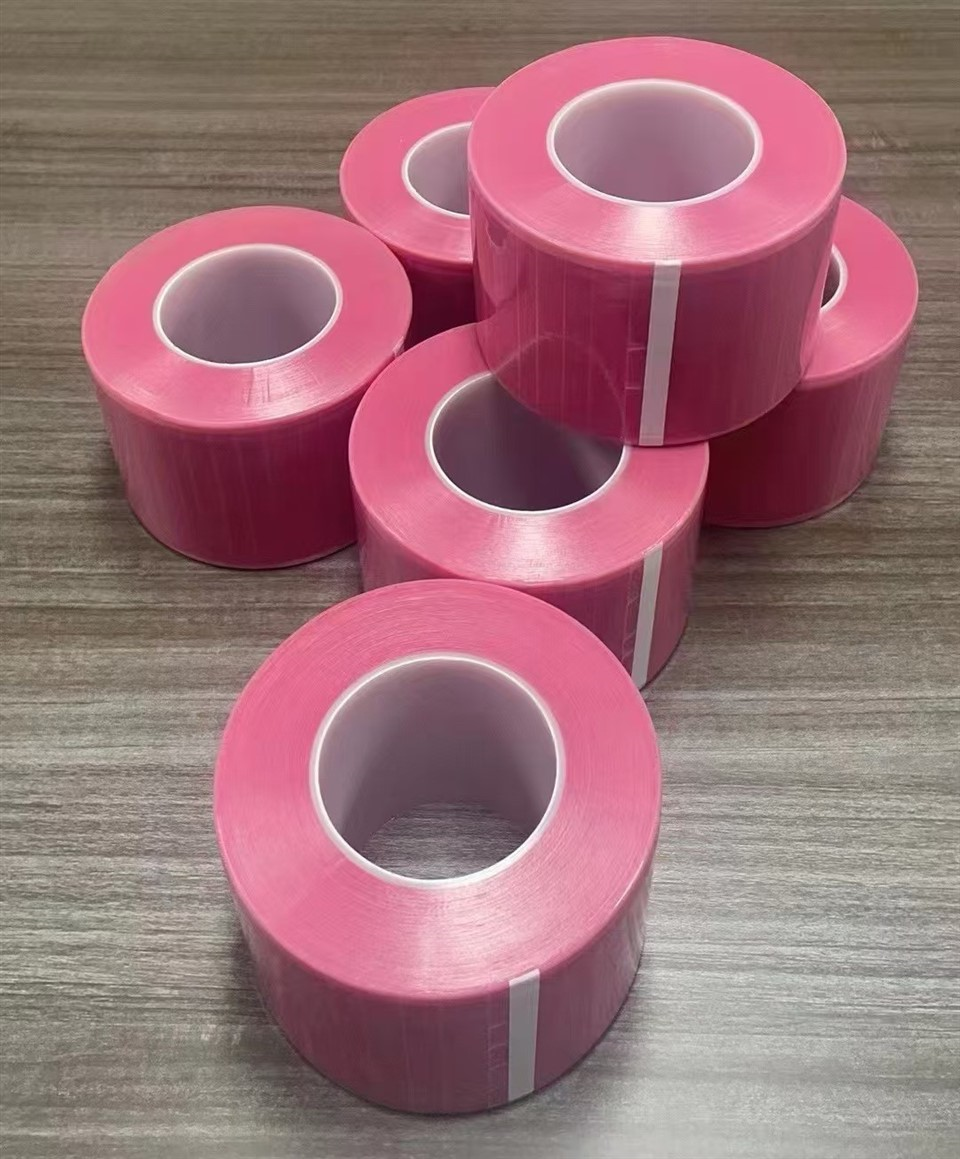
Another potential negative effect of chemicals on dental barrier film performance is reduced durability. Some chemicals can react with the polymers in the film, causing them to degrade over time. This can lead to a loss of strength, flexibility, and other physical properties of the film. As a result, the film may become more prone to tearing, puncturing, or leaking during dental procedures.
Choosing the Right Dental Barrier Film
As a supplier of Dental Barrier Film, I understand the importance of choosing the right product for your dental practice. When selecting a dental barrier film, it is important to consider several factors, including the chemical composition, performance, and safety of the film.
First, look for a dental barrier film that is made from high-quality polymers and uses safe and approved chemicals. This can help to ensure the safety and effectiveness of the film. Additionally, consider the specific needs of your dental practice, such as the type of procedures you perform and the patient population you serve. For example, if you perform a lot of invasive procedures, you may want to choose a dental barrier film that is more durable and resistant to punctures.
Second, consider the performance of the dental barrier film. Look for a film that is flexible, conformable, and easy to handle. It should also provide a good seal and prevent leakage during dental procedures. Additionally, consider the film's antimicrobial properties, moisture resistance, and chemical resistance. These properties can help to improve the safety and effectiveness of dental procedures.
Finally, consider the cost and availability of the dental barrier film. While it is important to choose a high-quality product, you also want to make sure that it is affordable and readily available. Look for a supplier that offers a wide range of dental barrier films at competitive prices. They should also provide excellent customer service and support.
Conclusion
Chemicals can have a significant impact on the performance of dental barrier film. While they can provide many benefits, such as improved flexibility, antimicrobial properties, and resistance to moisture and chemicals, they can also pose some risks, such as chemical leaching and reduced durability. As a supplier of Dental Barrier Film, I recommend choosing a high-quality product that uses safe and approved chemicals and meets the specific needs of your dental practice.
If you are interested in learning more about our Dental Barrier Film products, including our Black Barrier Film Roll, The Disposable Isolation Film For Dentistry, and Medical Disposable Isolation Film, please contact us to discuss your specific requirements and explore potential purchasing opportunities.
References
- Smith, J. D., & Johnson, A. B. (2018). Dental Materials: Properties and Manipulation. Elsevier.
- American Dental Association. (2020). Guidelines for Infection Control in Dental Health-Care Settings.
- International Organization for Standardization. (2019). ISO 10993-1: Biological evaluation of medical devices - Part 1: Evaluation and testing within a risk management process.