

Lamination is a widely - used process in the manufacturing of barrier films, and it significantly impacts the performance of these films. As a barrier film supplier, I have witnessed firsthand the various effects of lamination on the functionality and quality of our products. In this blog, I will explore how lamination affects the performance of barrier films in different aspects.
1. Barrier Properties
One of the primary functions of barrier films is to prevent the passage of gases, moisture, and other substances. Lamination can enhance these barrier properties in multiple ways. When different layers of films are laminated together, they can create a more tortuous path for gas and moisture molecules to penetrate. For example, if one layer has good oxygen - barrier properties and another has excellent moisture - barrier capabilities, laminating them can result in a film that offers superior overall barrier performance.
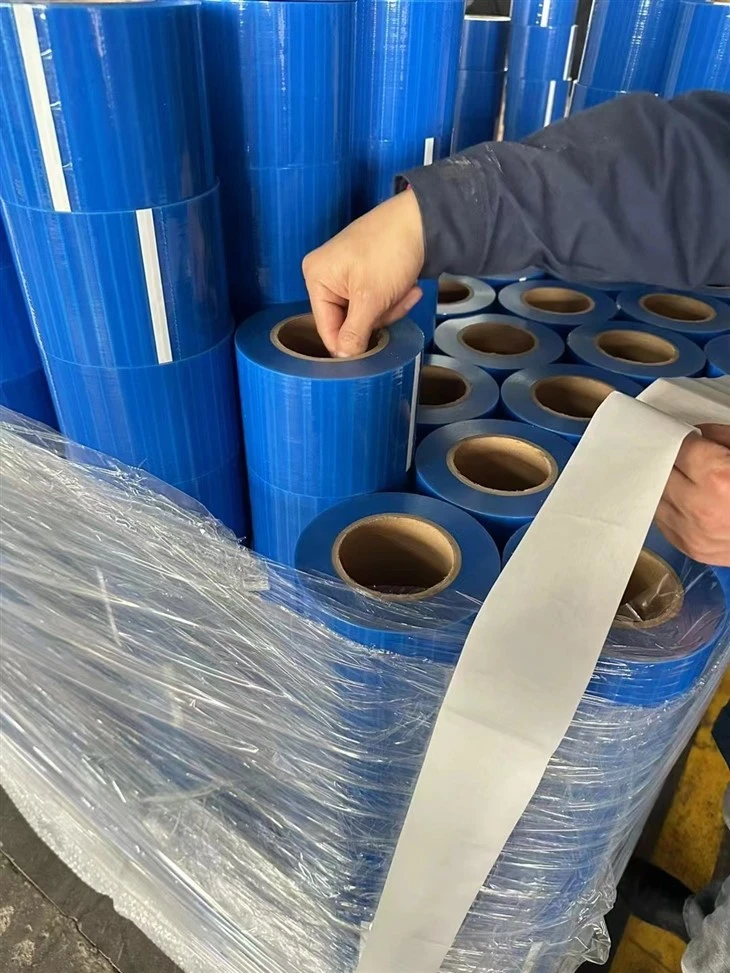
The choice of laminating materials also plays a crucial role. Some polymers have inherent barrier properties, such as ethylene - vinyl alcohol (EVOH) copolymers, which are well - known for their excellent oxygen - barrier performance. By laminating a layer of EVOH between other polymer layers, we can create a high - performance oxygen - barrier film. Our Protective Barrier Film Adhesive Roll often utilizes this lamination technique to provide reliable protection against oxygen and moisture for various products.
However, improper lamination can also have a negative impact on barrier properties. If there are voids or delamination between the layers, it can create channels for gas and moisture to pass through, reducing the film's barrier effectiveness. Therefore, strict quality control during the lamination process is essential to ensure the integrity of the laminated structure.
2. Mechanical Strength
Lamination can greatly improve the mechanical strength of barrier films. Combining different layers with varying mechanical properties can result in a film that is more resistant to tearing, puncturing, and abrasion. For instance, a thin but strong polyester layer can be laminated to a softer, more flexible polyethylene layer. The polyester layer provides high tensile strength and puncture resistance, while the polyethylene layer offers flexibility and toughness.
In applications where the barrier film needs to withstand physical stress, such as in packaging heavy or sharp - edged products, the enhanced mechanical strength provided by lamination is crucial. Our Medical Barrier Film Precision Medical Barrier Film is laminated to ensure it can endure the handling and movement during medical procedures without tearing or breaking, maintaining its protective function.
On the other hand, over - lamination or using incompatible materials can lead to a decrease in mechanical performance. If the adhesive used for lamination is too brittle, it may cause the layers to separate under stress, reducing the overall strength of the film. Therefore, careful selection of lamination materials and adhesives is necessary to optimize the mechanical properties of the laminated barrier film.

3. Optical Properties
The optical properties of barrier films, such as transparency, haze, and gloss, can also be affected by lamination. In some applications, such as food packaging, high transparency is desired to allow consumers to see the product inside. Lamination can either enhance or degrade the optical properties of the film.
When laminating two clear films together, if the refractive indices of the two materials are well - matched, the resulting laminated film can maintain high transparency. However, if there are differences in the refractive indices or if the lamination process introduces air bubbles or surface irregularities, it can increase haze and reduce transparency.
Gloss is another important optical property. Some applications may require a high - gloss surface for aesthetic purposes. By laminating a film with a high - gloss finish to another layer, we can achieve the desired gloss level. Our lamination processes are carefully designed to balance the optical requirements of different products, ensuring that the laminated barrier films meet the visual expectations of our customers.
4. Chemical Resistance
Lamination can improve the chemical resistance of barrier films. Different polymers have different levels of resistance to various chemicals. By laminating multiple layers with different chemical resistance profiles, we can create a film that is more resistant to a wider range of chemicals.
For example, in the packaging of chemicals or pharmaceutical products, the barrier film needs to protect the contents from chemical reactions with the environment. A layer of polyvinyl chloride (PVC) can be laminated with a layer of polypropylene (PP). PVC has good resistance to many organic solvents, while PP is resistant to acids and bases. The combination of these two layers through lamination provides a film with enhanced chemical resistance.
However, the chemical compatibility between the lamination layers and the adhesive is crucial. If the adhesive reacts with the chemicals in the packaged product or if the layers are not chemically compatible with each other, it can lead to delamination or degradation of the film, reducing its chemical resistance.
5. Heat Resistance
Heat resistance is an important performance factor in many applications of barrier films. Lamination can be used to improve the heat - resistant properties of the film. For example, a layer of polyimide, which has excellent heat resistance, can be laminated to a layer of polyethylene terephthalate (PET). The polyimide layer can withstand high temperatures, while the PET layer provides other desirable properties such as mechanical strength and transparency.
In applications such as food packaging that requires heat - sealing or sterilization processes, the heat - resistant performance of the barrier film is essential. Our Disposable Dental Isolation Membrane may need to be sterilized at high temperatures, and the lamination process is carefully designed to ensure that the film can maintain its integrity and performance under these conditions.
Contact for Procurement
As a professional barrier film supplier, we understand the importance of lamination in optimizing the performance of barrier films. We have extensive experience in producing high - quality laminated barrier films that meet the diverse needs of our customers. Whether you are in the food packaging, medical, or chemical industries, we can provide you with customized solutions.
If you are interested in our products or would like to discuss your specific requirements, please feel free to contact us for procurement negotiations. We are committed to providing you with the best products and services.
References
- Bristow, J. (2015). "Barrier Polymers and Structures for Packaging". Wiley - Blackwell.
- Hernandez, R., & Laversuch, M. (2012). "Polymer Films and Coatings for Food Packaging: Technology and Innovation". Woodhead Publishing.
- Robertson, G. L. (2013). "Food Packaging: Principles and Practice". CRC Press.