

Ensuring a good fit of metal protection film on curved surfaces is a crucial aspect in various industries, especially when it comes to protecting valuable metal components from scratches, corrosion, and other forms of damage. As a leading supplier of metal protection films, we understand the challenges that come with applying these films on curved surfaces and have developed effective strategies to ensure a seamless and secure fit.
Understanding the Challenges of Curved Surfaces
Curved surfaces present unique challenges when it comes to applying metal protection films. Unlike flat surfaces, curved surfaces require the film to conform to the shape without wrinkling, bubbling, or leaving gaps. The curvature can vary in degree, from gentle arcs to sharp bends, and each type of curve demands a different approach to achieve a proper fit.
One of the main challenges is the stretching and compression of the film. When applying the film on a curved surface, the outer edge of the curve needs to stretch while the inner edge needs to compress. If the film is not flexible enough or if the application process is not carefully controlled, it can result in uneven stretching or compression, leading to wrinkles or gaps.
Another challenge is the adhesion of the film to the curved surface. The adhesive on the film needs to bond effectively to the metal surface, even on curved areas. If the adhesive is not strong enough or if there are contaminants on the surface, the film may not adhere properly, causing it to peel off or lift over time.
Choosing the Right Metal Protection Film
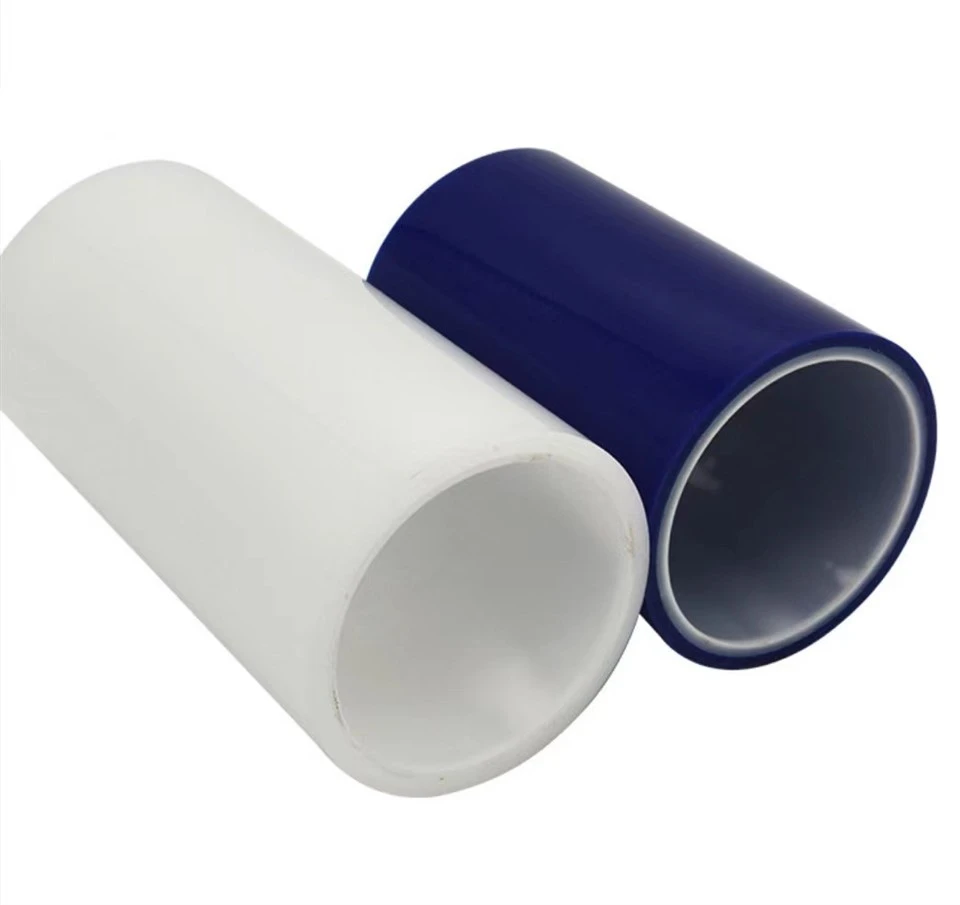
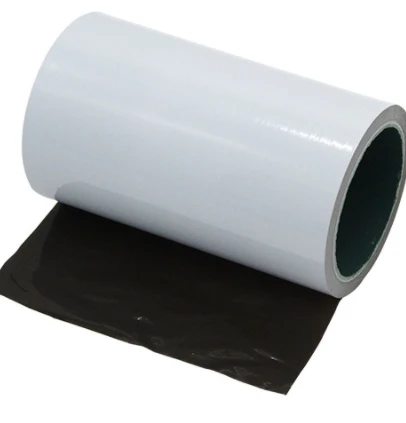
The first step in ensuring a good fit of metal protection film on curved surfaces is to choose the right type of film. At our company, we offer a wide range of metal protection films, including PE Metal Self-adhesive Film, Metal PE Printed Protective Film, and PE Protective Film For Color Steel Plates. Each type of film has its own unique properties and is suitable for different applications.
For curved surfaces, it is important to choose a film that is flexible and can conform to the shape of the curve. Our PE Metal Self-adhesive Film is a popular choice for curved surfaces because it is highly flexible and has excellent adhesion properties. It can be easily stretched and compressed to fit the curve without wrinkling or bubbling.
In addition to flexibility, the film should also have good durability and resistance to environmental factors. Our Metal PE Printed Protective Film is not only flexible but also provides excellent protection against scratches, abrasion, and UV rays. It is suitable for both indoor and outdoor applications and can withstand harsh weather conditions.
Preparing the Surface
Before applying the metal protection film on a curved surface, it is essential to prepare the surface properly. This involves cleaning the surface to remove any dirt, oil, or other contaminants that may affect the adhesion of the film. A clean surface will ensure a strong and long-lasting bond between the film and the metal.
We recommend using a mild detergent and water to clean the surface. After cleaning, rinse the surface thoroughly with clean water and dry it completely with a clean, lint-free cloth. Avoid using abrasive cleaners or solvents that may damage the metal surface or the film.
In some cases, it may be necessary to sand the surface lightly to create a rough texture that will improve the adhesion of the film. However, this should be done carefully to avoid scratching the metal surface. After sanding, clean the surface again to remove any dust or debris.
Applying the Film
Once the surface is prepared, it is time to apply the metal protection film. The application process requires careful attention to detail to ensure a good fit on the curved surface.
- Cut the Film to Size: Measure the curved surface carefully and cut the film to the appropriate size. Leave a little extra margin around the edges to allow for stretching and adjustment.
- Peel the Backing: Slowly peel the backing from the film, starting from one corner. Hold the film by the edges to avoid touching the adhesive side.
- Align the Film: Place the film on the curved surface, starting from one end and aligning it with the edge of the surface. Use a squeegee or a soft cloth to smooth out the film as you go, starting from the center and working towards the edges. Apply gentle pressure to remove any air bubbles.
- Stretch and Compress the Film: As you apply the film on the curved surface, you may need to stretch or compress it slightly to fit the curve. Use your hands or a tool to stretch the film gently on the outer edge of the curve and compress it on the inner edge. Be careful not to overstretch or tear the film.
- Smooth Out the Edges: Once the film is applied, use a squeegee or a soft cloth to smooth out the edges and ensure a tight seal. Pay special attention to the corners and curves, where air bubbles or wrinkles may be more likely to form.
Using Specialized Tools
In some cases, using specialized tools can help to ensure a better fit of the metal protection film on curved surfaces. For example, a heat gun can be used to soften the film and make it more flexible, allowing it to conform to the curve more easily. However, it is important to use the heat gun carefully to avoid overheating the film or damaging the metal surface.
Another useful tool is a curved applicator. This is a tool that is specifically designed to apply film on curved surfaces. It has a curved shape that matches the curvature of the surface, which helps to ensure a more even and consistent application.
Quality Control
After applying the metal protection film on the curved surface, it is important to perform a quality control check to ensure that the film is properly applied and there are no defects. Check for any wrinkles, bubbles, or gaps in the film, and make any necessary adjustments.
If there are any air bubbles or wrinkles in the film, you can use a pin or a needle to puncture the bubble and then smooth it out with a squeegee or a soft cloth. If the film is not adhering properly in some areas, you can use a heat gun to reactivate the adhesive and press the film firmly against the surface.
Conclusion
Ensuring a good fit of metal protection film on curved surfaces requires careful planning, the right choice of film, proper surface preparation, and a precise application process. By following the steps outlined in this blog, you can achieve a seamless and secure fit of the film on any curved surface.
As a leading supplier of metal protection films, we are committed to providing high-quality products and excellent customer service. If you have any questions or need further assistance with choosing the right film or applying it on a curved surface, please do not hesitate to contact us. We look forward to working with you to meet your metal protection needs.
References
- "Best Practices for Applying Protective Films on Curved Surfaces" - Industry Journal of Metal Protection
- "Properties and Applications of PE Metal Protection Films" - Research Report on Packaging Materials