

Hey there! As a supplier of tile protective film, I often get asked whether tile protective film is suitable for bathroom tiles. Well, let's dive right into it and find out!
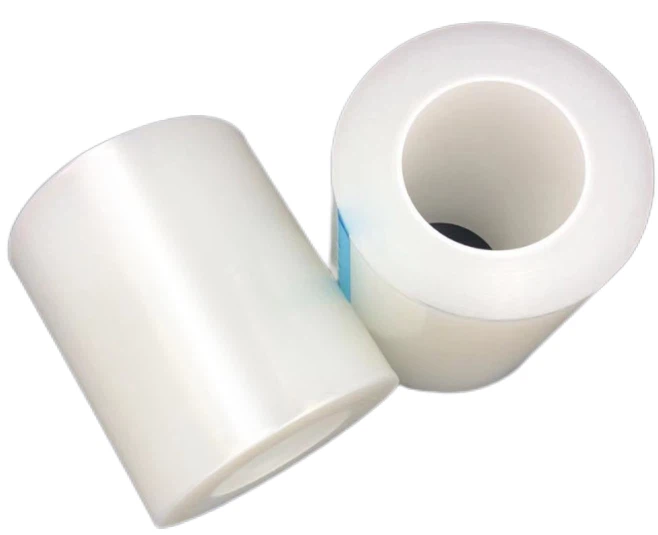
First off, let's talk about what tile protective film is. It's basically a thin layer of material that you can stick onto your tiles to protect them from scratches, stains, and other kinds of damage. There are different types of tile protective films out there, like the Blue Plastic Floor Tile Protection Film, Durable Tile Protective Film, and Clear Tile Protection Film. Each type has its own features and benefits, but they all share the common goal of keeping your tiles looking great for longer.
Now, let's get to the main question: is tile protective film suitable for bathroom tiles? The short answer is yes, but there are a few things you need to consider.
Benefits of Using Tile Protective Film in the Bathroom
1. Protection Against Scratches
Bathrooms are high - traffic areas, and it's easy for your tiles to get scratched. Whether it's from moving furniture, dropping a toothbrush holder, or even just the constant movement of feet, scratches can make your tiles look old and worn out. Tile protective film acts as a barrier between the tile surface and potential scratch - causing objects. For example, if you accidentally drop a metal soap dispenser, the film will absorb the impact and prevent the tile from getting scratched.
2. Resistance to Stains
Bathrooms are also prone to stains. From soap scum and toothpaste splatters to hard water deposits, stains can be a real headache to remove. A good tile protective film can resist these stains to a certain extent. The film creates a smooth, non - porous surface that makes it harder for stains to penetrate the tile. So, when it comes time to clean your bathroom, you'll find that the stains wipe off much more easily.
3. Easy Maintenance
With tile protective film, cleaning your bathroom becomes a breeze. You don't have to scrub as hard to get rid of dirt and grime. A simple wipe with a damp cloth is often enough to keep the film and the underlying tile clean. This not only saves you time but also reduces the wear and tear on your tiles from aggressive cleaning methods.
4. Cost - Effective
Replacing damaged bathroom tiles can be expensive. By using tile protective film, you can extend the lifespan of your existing tiles, saving you money in the long run. You won't have to worry about constantly replacing tiles due to scratches or stains, and you can enjoy a beautiful bathroom without breaking the bank.
Things to Consider
1. Moisture Resistance
Bathrooms are humid environments, so it's crucial that the tile protective film you choose is moisture - resistant. If the film isn't designed to handle moisture, it may start to peel or bubble over time. Look for a film that is specifically labeled as waterproof or moisture - resistant. This will ensure that it stays firmly attached to the tile and continues to provide protection even in a wet environment.
2. Temperature Changes
Bathrooms can experience significant temperature changes, especially if you take hot showers or baths. The tile protective film should be able to withstand these temperature fluctuations without losing its adhesion or integrity. Some films are designed to be more flexible and can adapt to temperature changes better than others. Make sure to choose a film that is suitable for the temperature range in your bathroom.
3. Aesthetics
You want your bathroom to look good, so the appearance of the tile protective film matters. Clear tile protective films are a popular choice as they allow the natural beauty of the tile to shine through. However, if you prefer a more decorative look, there are also films available with patterns or textures. Just make sure that the film you choose complements the overall design of your bathroom.

Installation and Removal
Installation
Installing tile protective film in the bathroom is relatively easy, but it does require some patience. First, make sure the tile surface is clean and dry. Any dirt or moisture on the tile can prevent the film from adhering properly. Then, carefully measure and cut the film to fit the tile. Start at one corner and slowly apply the film, smoothing out any air bubbles as you go. You may need to use a squeegee or a credit card to get a smooth, bubble - free application.
Removal
When it's time to remove the tile protective film, it should come off without leaving any residue. However, if the film has been on the tile for a long time, there may be a small amount of adhesive left behind. You can usually remove this with a mild adhesive remover and a clean cloth.
Conclusion
So, to sum it up, tile protective film is definitely suitable for bathroom tiles. It offers a range of benefits, including protection against scratches, stains, and easy maintenance. However, you need to choose the right film that is moisture - resistant, can handle temperature changes, and meets your aesthetic needs.
If you're interested in purchasing tile protective film for your bathroom or any other area, I'd love to talk to you. We offer a wide range of high - quality tile protective films, including the Blue Plastic Floor Tile Protection Film, Durable Tile Protective Film, and Clear Tile Protection Film. Contact us for more information and let's discuss how we can help you protect your tiles.
References
- "Tile Protection 101: Everything You Need to Know" - Tile Industry Magazine
- "Bathroom Tile Maintenance and Protection" - Home Improvement Journal
- Manufacturer's guides on tile protective films