

Hey there! As a supplier of glass, plastic, and film products, I've seen firsthand how these materials play a crucial role in the food industry. In this blog, I'll dive into the various applications of glass, plastic, and film in the food sector, sharing some cool insights and real - world examples.
Let's start with glass. Glass has been a staple in the food industry for ages, and for good reasons. It's non - reactive, meaning it won't leach any harmful chemicals into the food. This is super important, especially when it comes to storing acidic or alkaline foods. For instance, pickles, jams, and fruit juices are often stored in glass jars. The airtight seal that glass containers can provide helps to preserve the flavor, aroma, and nutritional value of the food.
Another great thing about glass is its transparency. Consumers can easily see what's inside the container, which is a big selling point. Whether it's a beautiful glass bottle of olive oil or a jar of artisanal honey, the clear view of the product builds trust and makes the food more appealing.
Now, let's talk about glass films. There are some really neat applications here. One of them is Glass Uv Protection Film. This film can be applied to glass containers or display cases in the food industry. UV rays can degrade food quality over time, causing color changes, flavor loss, and even spoilage. The UV protection film acts as a shield, blocking those harmful rays and extending the shelf - life of the food.
UV - blocking Glass Film is also a game - changer. In food stores or restaurants, this film can be put on windows or glass doors. It not only protects the food on display from UV damage but also helps to keep the interior cool. This is great for energy efficiency and maintaining a stable environment for food storage.
PE Protective Film For Glass Window can be used during transportation or storage of glass food containers. It protects the glass from scratches and minor impacts, ensuring that the containers reach the consumers in perfect condition.
Moving on to plastic. Plastic is everywhere in the food industry because it's lightweight, flexible, and cost - effective. Plastic packaging comes in many forms, like bags, bottles, and trays. For example, plastic bags are commonly used for packaging snacks, bread, and fresh produce. They're easy to seal, which helps to keep the food fresh and prevent contamination.
Plastic bottles are a popular choice for beverages. They're shatter - resistant, making them safer to handle compared to glass bottles. Also, they can be designed in various shapes and sizes, which is great for branding and marketing.

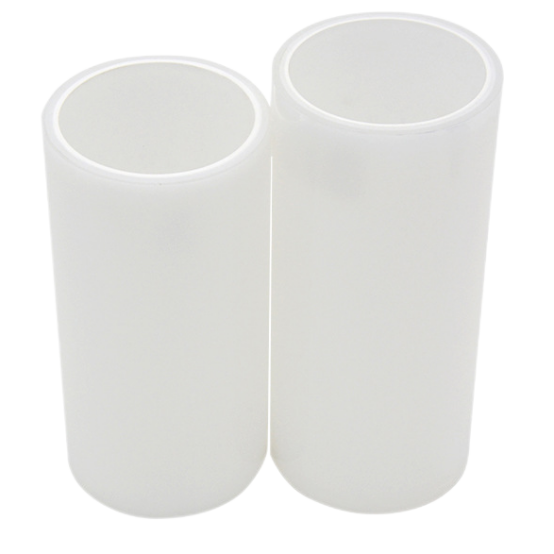
Plastic trays are often used for ready - to - eat meals, deli items, and fresh meats. They can be made from different types of plastics, each with its own properties. Some plastics are microwave - safe, allowing consumers to heat up their food right in the tray. Others are designed to be oxygen - and moisture - resistant, keeping the food fresh for longer periods.
Plastic films are also widely used in the food industry. Stretch films are used to wrap food items on trays, providing a tight seal that keeps the food in place and protected. Shrink films are another type. When heated, they shrink tightly around the food product, creating a tamper - evident and protective layer. This is commonly used for packaging cheese, meats, and other products.
Now, let's combine glass, plastic, and film in some interesting ways. In some high - end food products, you might see a glass container with a plastic lid that has a thin film seal. The glass provides a high - quality look and a non - reactive storage environment, while the plastic lid is easy to open and close. The film seal ensures an airtight closure, keeping the food fresh until the consumer is ready to use it.
In the food service industry, glass, plastic, and film are used in different ways. Restaurants often use glassware for serving beverages, while plastic utensils and disposable plates are common for take - out and fast - food services. Plastic films can be used to cover buffet trays, protecting the food from dust and contaminants.
When it comes to food processing, glass and plastic equipment are also important. Glass reactors are used in the production of some food products, like certain types of sauces and beverages. They're easy to clean and can withstand high temperatures and chemical reactions. Plastic pipes and fittings are used in the transportation of food ingredients within processing plants. They're lightweight and corrosion - resistant, which is essential for maintaining the quality of the food.
The food industry is constantly evolving, and so are the applications of glass, plastic, and film. New technologies are being developed all the time to make these materials even more suitable for food use. For example, there are ongoing efforts to create more sustainable plastics and films. Biodegradable plastics are becoming more popular as consumers are becoming more environmentally conscious.
If you're in the food industry and looking for high - quality glass, plastic, and film products, I'd love to have a chat with you. Whether you need glass containers for your artisanal products, plastic packaging for your snacks, or protective films for your glassware, I've got you covered. We can discuss your specific needs and find the best solutions for your business. Don't hesitate to reach out and start a conversation about how we can work together to meet your food packaging and storage requirements.
References
- "Food Packaging Technology" by Owen R. Fennema
- "Plastics in Food Packaging" by Rosato's Plastics Encyclopedia and Dictionary
- "Glass in the Food Industry: Properties and Applications" by various industry reports