

Hey there! As a supplier of Metal Protection Film, I often get asked about the materials used to make this stuff. So, I thought I'd take a few minutes to break it down for you.
First off, let's talk about why metal protection film is so important. Metals, whether they're used in construction, automotive, or manufacturing, are prone to scratches, dents, and corrosion. A good metal protection film acts as a shield, keeping the metal surface in top - notch condition during handling, transportation, and storage.
Polyethylene (PE)
One of the most commonly used materials for making metal protection film is polyethylene. It's a thermoplastic polymer that comes in different densities, like low - density polyethylene (LDPE) and high - density polyethylene (HDPE).
LDPE is known for its flexibility and transparency. It can easily conform to the shape of the metal surface, making it ideal for wrapping irregularly shaped metal parts. You can find LDPE - based metal protection films used on things like Color Steel Sheet Protection Film. These films are great because they're easy to apply and remove without leaving any residue on the metal.
On the other hand, HDPE is more rigid and has better resistance to punctures and tears. It's often used for protecting heavy - duty metal products. For example, when you're shipping large metal sheets, an HDPE protection film can prevent them from getting scratched or damaged during transit. The durability of HDPE makes it a go - to choice for many industries that deal with high - value metal items.
Polypropylene (PP)
Polypropylene is another popular material in the metal protection film game. It has excellent chemical resistance, which means it can protect the metal from various chemicals that it might come into contact with.

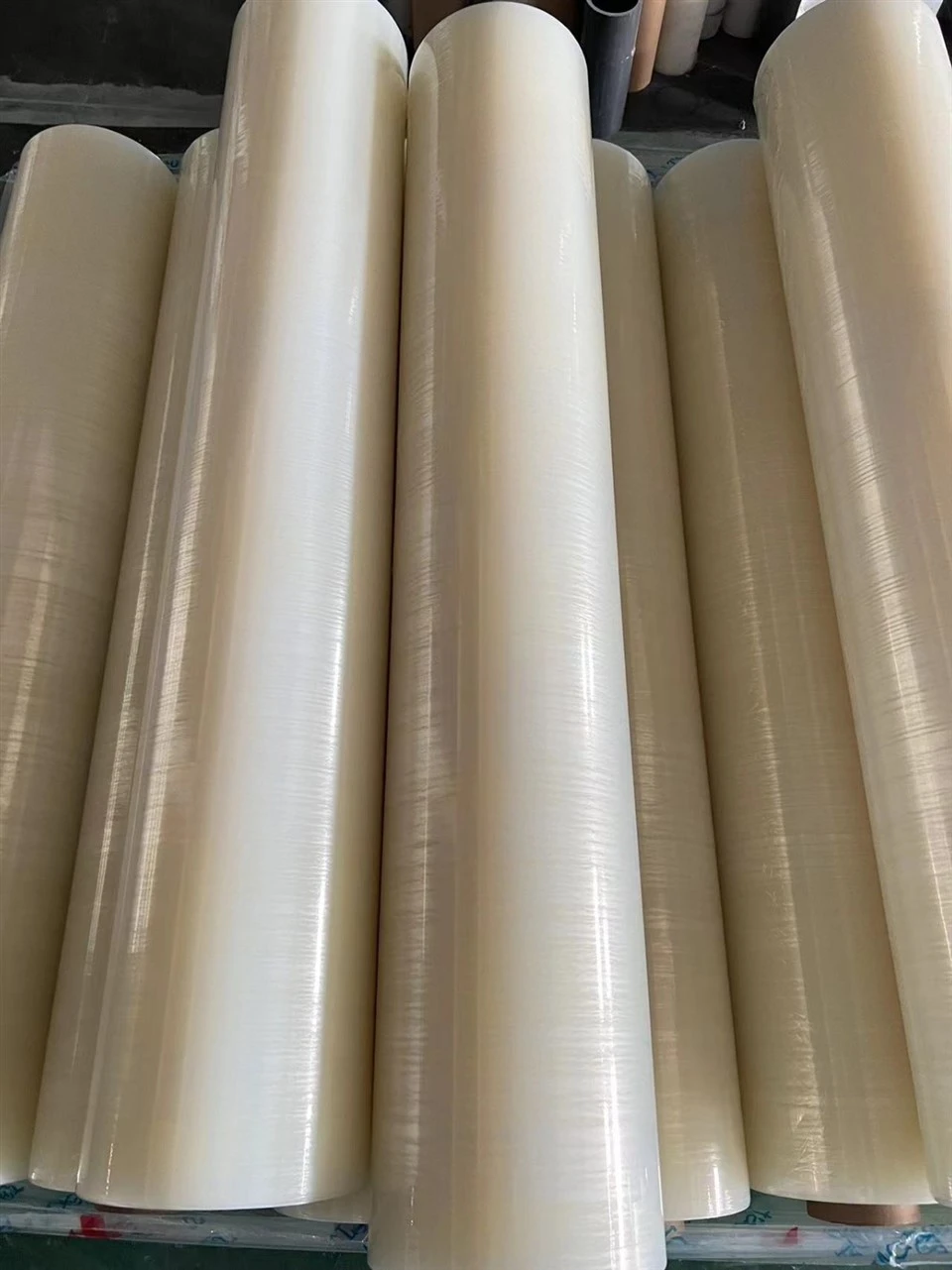
PP - based metal protection films are often used in industrial settings where the metal is exposed to harsh environments. They can resist solvents, acids, and alkalis to a certain extent. For instance, in a chemical manufacturing plant, metal pipes and equipment can be wrapped with PP protection film to prevent corrosion from the chemicals.
One of the cool things about polypropylene is its heat resistance. It can withstand relatively high temperatures without deforming, which is useful when the metal is going through processes like painting or powder - coating. The film can stay in place and protect the metal during these high - heat operations. You can check out Metal Protective Film made from polypropylene for some great examples of how it's used.
Polyvinyl Chloride (PVC)
PVC is a well - known plastic material, and it also has a place in the metal protection film market. PVC films are highly flexible and can be easily customized in terms of thickness and color.
They offer good abrasion resistance, which is crucial for protecting metal surfaces from scratches. PVC metal protection films are often used in the automotive industry. For example, when a new car is being assembled, the metal body parts can be covered with PVC film to prevent scratches during the assembly process.
However, PVC has some drawbacks. It contains chlorine, and when burned, it can release harmful chemicals. So, in some environmentally - conscious industries, there's a bit of a push to find alternatives to PVC. But for many applications where environmental concerns aren't as high on the priority list, PVC still works great.
Adhesive Materials
Now, the film itself is just one part of the equation. The adhesive used to stick the film to the metal is also super important. There are different types of adhesives, and the choice depends on the application.
Acrylic adhesives are very popular. They offer a good balance between adhesion strength and removability. They can stick firmly to the metal surface but can also be removed cleanly without leaving any sticky residue. Acrylic adhesives are often used in applications where the film needs to be on the metal for a relatively short period, like during transportation or short - term storage.
Silicone adhesives, on the other hand, are known for their high - temperature resistance. They can withstand extreme heat without losing their adhesion properties. This makes them suitable for metal parts that go through high - heat processes. For example, in the aerospace industry, where metal components are exposed to high temperatures during flight, silicone - adhesive - based metal protection films can be used.
Specialty Films
In addition to the mainstream materials, there are also some specialty films used for specific metal protection needs.
For example, anti - static films are used when dealing with metals in electronic manufacturing. These films prevent the build - up of static electricity, which can damage sensitive electronic components. They're often made with special additives that dissipate static charges.
UV - resistant films are another specialty. When metal is exposed to sunlight for long periods, it can fade or corrode due to UV radiation. UV - resistant metal protection films, like those used on outdoor metal structures, can block out the harmful UV rays and keep the metal looking good as new.
The Importance of Quality Control
As a Metal Protection Film supplier, I can't stress enough the importance of quality control. The materials used need to be of the highest quality, and the manufacturing process needs to be carefully monitored.
We test our films for things like adhesion strength, tear resistance, and chemical resistance. We also make sure that the films are free from defects, like air bubbles or uneven thickness. This ensures that our customers get a reliable product that will actually protect their metal.
Making the Right Choice
When it comes to choosing the right metal protection film, it really depends on your specific needs. If you're shipping metal products over long distances, you might want a film with high puncture resistance, like HDPE. If you're dealing with a metal surface that will be exposed to chemicals, a PP - based film with good chemical resistance could be the way to go.
You can also consider the duration of protection. If it's just for a short - term application, a film with a mild adhesive might be sufficient. But for long - term protection, you'll need a more durable film and a stronger adhesive.
Conclusion
So, there you have it! The materials used to make metal protection film are diverse, each with its own set of properties and applications. Whether it's polyethylene, polypropylene, PVC, or a specialty film, there's a solution out there for every metal protection need.
If you're in the market for high - quality Metal Protection Film, don't hesitate to reach out. We're here to help you find the perfect film for your specific requirements. Whether you need Color Steel Sheet Protection Film, Metal Protective Film, or Sheet Metal Protective Film, we've got you covered. Contact us today to start a procurement discussion and keep your metals in top condition!
References
- "Plastics in Packaging: Materials, Processing, Applications and Regulations" by Sachin Teli
- "Handbook of Adhesives and Sealants" by Andrew Pizzi
- Industry reports from the metal protection film manufacturing sector