

Hey there! As a supplier of glass, plastic, and film, I often get asked which one is the most environmentally friendly. It's a hot topic these days, and with so much conflicting information out there, it can be tough to figure out the truth. So, I thought I'd take a deep dive into the subject and share what I've learned.
Let's start with glass. Glass is made from natural materials like sand, soda ash, and limestone. These materials are abundant and can be found all over the world. One of the biggest advantages of glass is that it's 100% recyclable. You can melt it down and turn it into new glass products over and over again without losing any of its quality. This means that glass has a relatively low environmental impact when it comes to waste.
However, the production of glass isn't exactly a walk in the park. It requires a lot of energy, mainly in the form of heat, to melt the raw materials. This energy consumption contributes to greenhouse gas emissions, which is a major concern for the environment. Also, transporting glass can be tricky because it's heavy and fragile. This leads to more fuel being used for transportation, adding to its overall carbon footprint.
Now, let's talk about plastic. Plastic is a bit of a mixed bag when it comes to the environment. On one hand, it's incredibly versatile. You can use it for all sorts of things, from packaging to electronics. But on the other hand, it's made from fossil fuels, which are non - renewable resources. Once these fuels are gone, they're gone for good.
Plastic also has a huge problem with waste. A lot of plastic ends up in landfills, where it can take hundreds of years to break down. And let's not forget about the plastic that makes its way into the oceans. It harms marine life, and it's a real eyesore. However, there are some types of plastic that are recyclable. The key is to make sure that people actually recycle it. Unfortunately, the recycling rate for plastic is still pretty low in many places.
But here's the good news. There have been some amazing advancements in plastic technology. Bioplastics, for example, are made from renewable resources like corn starch and sugarcane. These plastics can break down much faster than traditional plastics, reducing their environmental impact.
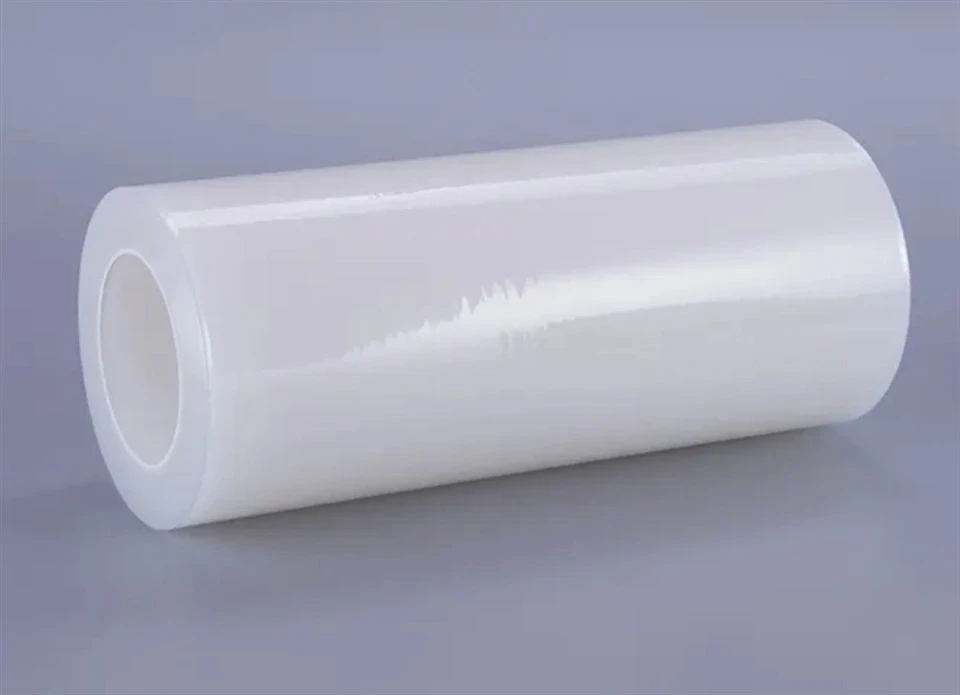
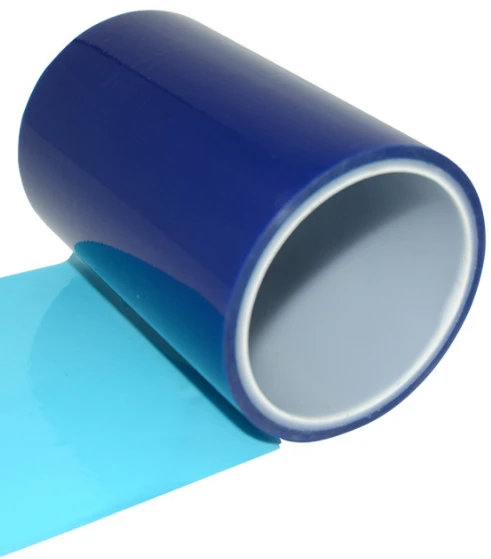
Finally, let's look at film. When I say film, I'm mainly referring to protective films that we use for things like glass. There are different types of films, such as the PE Protective Film For Automotive Glass, Painting - Proof Decoration Window Glass Protective Film, and Window Glass PE Protection Film.
Films are often made from plastic materials, so they share some of the same environmental challenges as plastic. But they also have some unique advantages. For one, they're lightweight. This means that less energy is used for transportation compared to glass. Also, some films are designed to be reusable or have a long lifespan, which can reduce waste.
In terms of recyclability, it depends on the type of film. Some films can be recycled, while others are more difficult. However, as technology improves, we're seeing more and more recyclable film options on the market.
So, which one is the most environmentally friendly? Well, it's not that simple. It really depends on a few factors, like how the product is made, how it's used, and what happens to it after its useful life.
If you're looking for a material that's highly recyclable and made from natural resources, glass is a great choice. But if you need something lightweight and versatile, plastic or film might be better. And if you're concerned about non - renewable resources, then bioplastics or recyclable films could be the way to go.
As a supplier, I'm committed to providing environmentally friendly options. We're constantly researching and working with manufacturers to find better ways to produce glass, plastic, and film with a lower environmental impact. Whether you're an individual looking for a small amount of protective film or a large company in need of bulk supplies, we've got you covered.
If you're interested in learning more about our products or have any questions about which material is right for your needs, don't hesitate to reach out. We're here to help you make the most environmentally conscious choice while still getting the quality products you need. Let's work together to protect our planet and find the best solutions for your projects.
References
- "The Science of Recycling Glass", Environmental Science Journal, 2022
- "Plastic Pollution: A Global Crisis", Ocean Conservation Report, 2023
- "Advances in Bioplastic Technology", Materials Research Magazine, 2023