


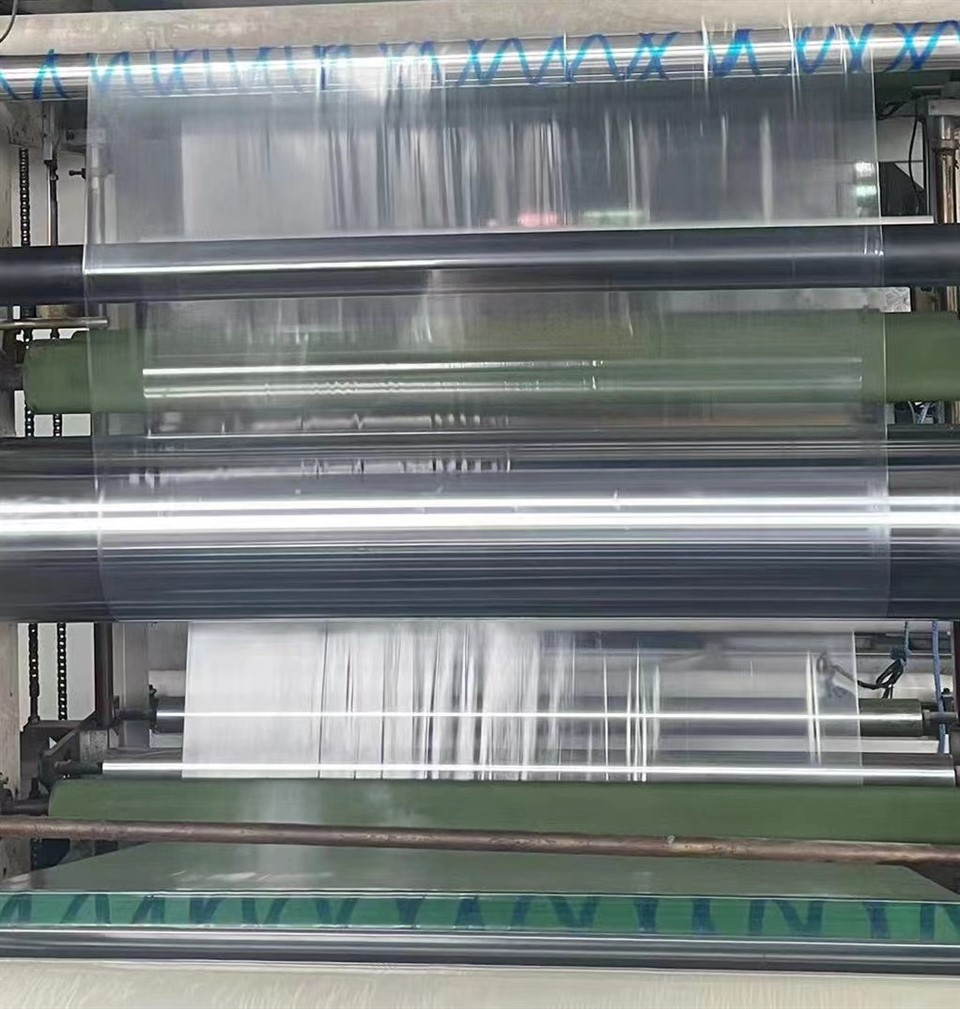
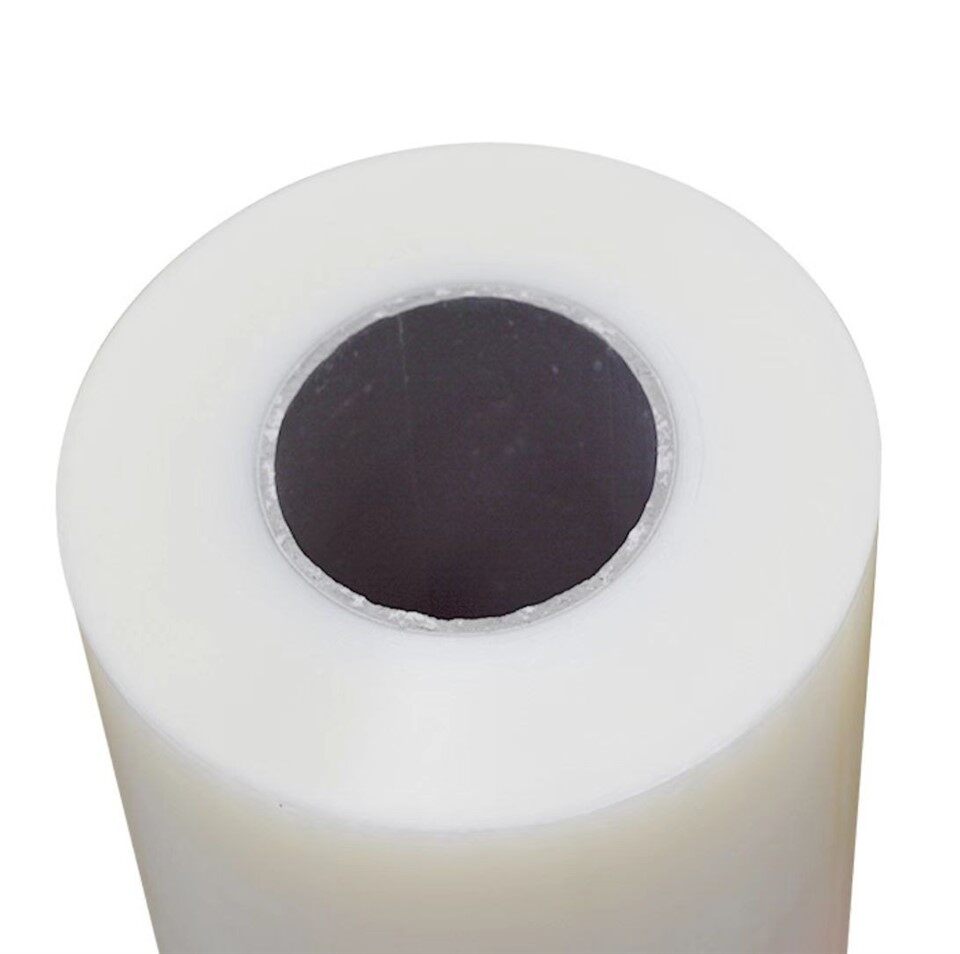
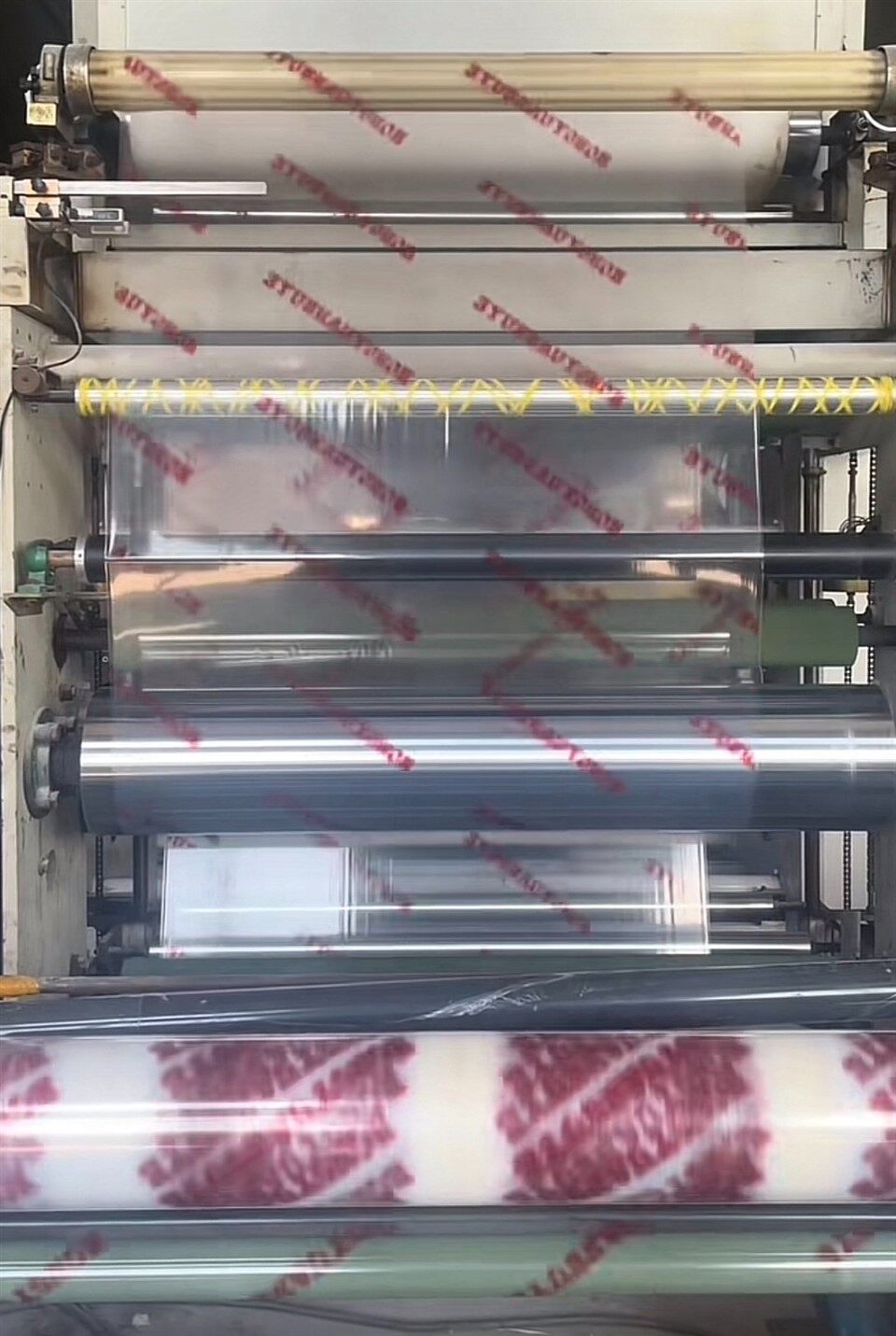
|
Place of Origin |
Zhejiang, China |
|
Brand Name |
Gaosheng |
|
Length |
As your required |
|
Width |
As your required |
|
Thickness |
0.03mm-0.2mm |
|
Color |
Transparent, other colors can be customized |
|
MOQ |
50000 Square Meters |
|
Leading Time |
About 15-20 days |
|
Packaging |
Carton and Pallet |
|
Business Type |
Manufacturer |
product introduction

Functions
1. Scratch Resistance: The surfaces of marble tiles, especially high-gloss ones, feature high hardness but their glazed layers are vulnerable to scratches by sharp objects. The protective film can effectively prevent scratches during handling, stacking and cutting processes.
2. Contamination Resistance: It prevents contaminants such as cement mortar, grout, paint and dust from directly contacting and penetrating the tile surfaces, which is particularly critical for marble tiles with stone textures that are highly prone to staining.
3. Corrosion Resistance: It protects the glazed layers from erosion by acidic or alkaline cleaners and substances during construction.
4. Temporary Marking: Brand logos, specifications, tiling direction arrows and other information are often printed on the film, facilitating identification and construction.
5. Enhanced Construction Experience: After tiling, the film is peeled off before cleaning, leaving the tile surfaces as clean and glossy as new and reducing the difficulty of post-construction cleaning.
Certifications
Our company has approved by ISO9001 International Quality System Certification, MSDS Report, ROHS Report and REACH Report, strictly carried it out in the process of research, production and selling.

ISO9001

MSDS

REACH

ROHS
why choose us
Our company is a professional manufacturer in protective film. It was founded in 2002. We have more than 20 years of production experience. Our company is located in Zhejiang Province, close to Hangzhou and Shanghai.
Rich Experience
High Quality
Reasonable Price
Good Service and Reputation
FAQ

01. Issue: The protective film cannot be peeled off, or leaves excessive adhesive residue.
Causes: Selection of film with excessively high viscosity; prolonged exposure time (more than half a year); excessively high ambient temperature (e.g., floor heating activated, direct sunlight exposure).
Solutions:
1. Heat the protective film with a hair dryer or heat gun to soften the adhesive before peeling.
2. Use a special-purpose adhesive remover (test on a corner first to avoid corrosion to the tile surface).
3. For stubborn adhesive residue, gently wipe with anhydrous ethanol (alcohol) or turpentine.
02. Issue: The protective film cracks or chalking on its own.
Causes: Inferior material quality, or long-term exposure to ultraviolet rays.


