


|
Place of Origin |
Zhejiang, China |
|
Brand Name |
Gaosheng |
|
Length |
As your required |
|
Width |
As your required |
|
Color |
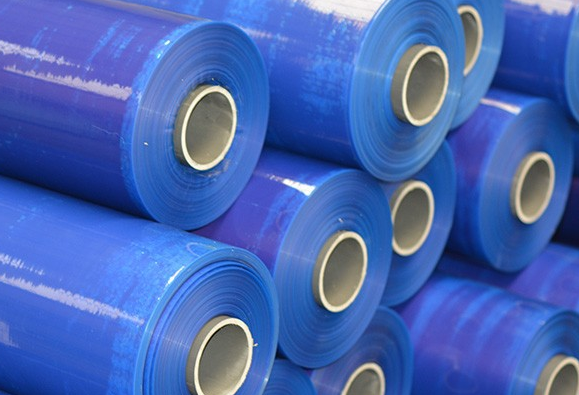
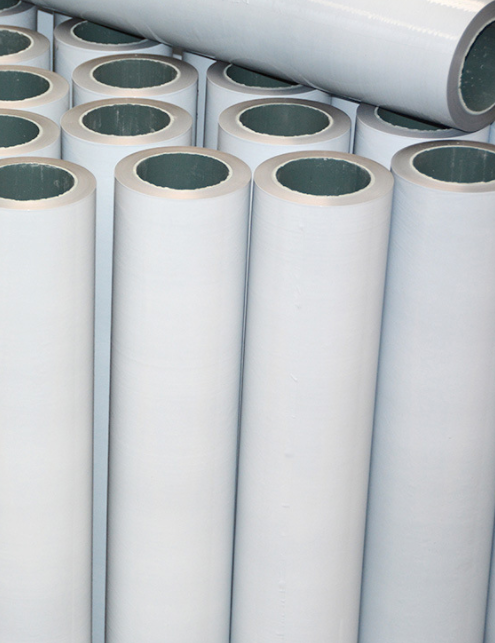
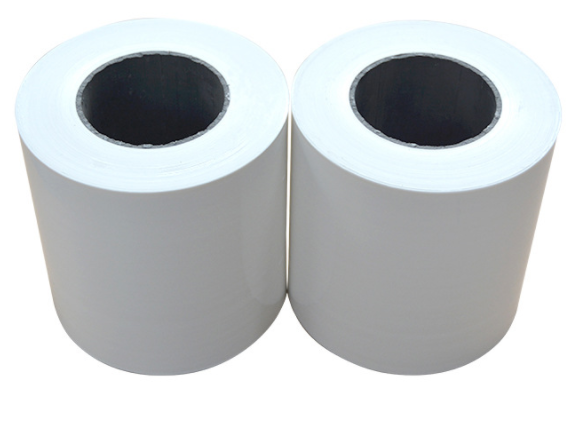
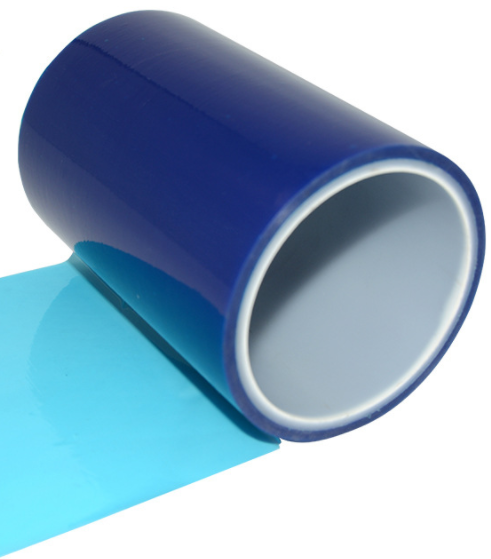
Blue, Black&White, Milky |
|
Thickness |
0.03mm-0.2mm |
|
Printing Thickness |
0.03mm-0.2mm |
|
Printing |
1-3 colors logo printing |
|
MOQ |
50000 square meters |
|
Leading Time |
About 15-20 days |
|
Packaging |
Carton or Pallet |
|
Business Type |
Manufacturer |
product introduction

Functions and Purposes
1. Prevention of Scratches and Wear
Protect the surface of aluminum profiles (especially visible and decorative surfaces) from scratches and abrasion caused by hard objects during cutting, processing, assembly, handling, transportation, stacking, and installation, maintaining surface smoothness and aesthetics.
2. Prevention of Contamination and Corrosion
Dust and Oil Stains: Prevent pollutants like dust, oil, fingerprints, cement mortar, and paint from adhering to the profile surface in processing or construction environments.
Chemical Substances: Shield the surface from acidic, alkaline, or other chemicals (e.g., alkalis in cement) to avoid corrosion or discoloration.
3. Oxidation Resistance
Although aluminum has a natural oxide film, the protective film provides an additional physical barrier to reduce short-term environmental impacts (e.g., moisture, salt spray), especially during storage and transportation.
4. Identification and Guidance
Protective films often print brand logos, product models, specifications, installation precautions, production dates, etc., for easy identification and management. Tearing direction arrows are sometimes included.
5. Enhancement of Product Image
Brand-new profiles with intact protective films create a professional, high-quality impression for clients (developers, owners), demonstrating thorough protection.
Common Material Types
1. PE (Polyethylene) Film
The most common and cost-effective choice.
Good transparency for easy surface inspection.
Moderate adhesiveness, easy to apply and remove (within a reasonable period).
Relatively poor weather resistance; may become brittle, powdery, hard to tear, or stick to profiles after long-term exposure to sunlight and rain.
2. PVC (Polyvinyl Chloride) Film
Thicker, more durable, and better tear-resistant.
Usually stronger adhesiveness for more reliable protection.
Higher cost than PE film.
Key Disadvantage: Plasticizers in some PVC films may precipitate and migrate to the aluminum profile surface under high temperatures (especially direct sunlight) or prolonged use, causing hard-to-remove oily contamination or yellowing ("efflorescence"). Thus, in the door and window industry-particularly for high-quality products-PVC film usage has significantly decreased, with PE film or specially formulated films preferred.
3. Special Function Films
Weather-resistant PE Film: Added with UV inhibitors to extend outdoor weather resistance and reduce powdering or tearing issues.
Low-adhesion/Adhesive-free Electrostatic Film: Suited for high-gloss surfaces or special coatings (e.g., fluorocarbon spraying) sensitive to adhesive residue, adhering via static electricity with minimal residue, but with weaker protection and easy detachment.
High-adhesion Film: Used for smooth-surfaced profiles (e.g., certain powder-coated surfaces) or harsh environments like long-distance sea transport.
Composite Film: Combines advantages of different materials.

Certifications
Our company has approved by ISO9001 International Quality System Certification, MSDS Report, ROHS Report and REACH Report, strictly carried it out in the process of research, production and selling.

ISO9001

MSDS

REACH

ROHS
why choose us
Our company is a professional manufacturer in protective film. It was founded in 2002. We have more than 20 years of production experience. Our company is located in Zhejiang Province, close to Hangzhou and Shanghai.
Rich Experience
High Quality
Reasonable Price
Good Service and Reputation
Common Probelms

01. Difficulty in Removing Protective Film or Stubborn Adhesive Residue.
02. Film Detachment or Edge Curling Before Installation.
03. Discoloration or Contamination of Profile Surface Under the Film.
Instability of the film material itself (e.g., plasticizer precipitation from PVC).
Penetration of external pollutants (water vapor, chemicals) through film edges or damages.


