

Hey there! As a supplier of glass, plastic, and film, I'm super excited to chat with you about whether these materials can be molded into different shapes. Spoiler alert: they absolutely can! And let me tell you, the possibilities are endless.

First off, let's talk about glass. You've probably seen glass in all sorts of forms - from the simple windows in your house to the fancy, curved glass in modern skyscrapers. Glass is a pretty amazing material. It starts off as sand, soda ash, and limestone, which are melted together at super high temperatures. Once it's in a molten state, it can be shaped in a bunch of different ways.
One common method is blowing. You've probably seen glassblowers in action. They take a long tube, dip it into the molten glass, and then blow air through it to create a bubble. By twirling and shaping the tube, they can turn that bubble into all kinds of beautiful objects, like vases, bowls, and even art pieces. It's like magic, watching them transform a glob of hot glass into something really cool.
Another way to shape glass is by casting. This involves pouring molten glass into a mold. The mold can be made from a variety of materials, like metal or ceramic. Once the glass cools and solidifies, it takes on the shape of the mold. This method is great for making things with very precise shapes, like glass lenses for cameras or glasses.
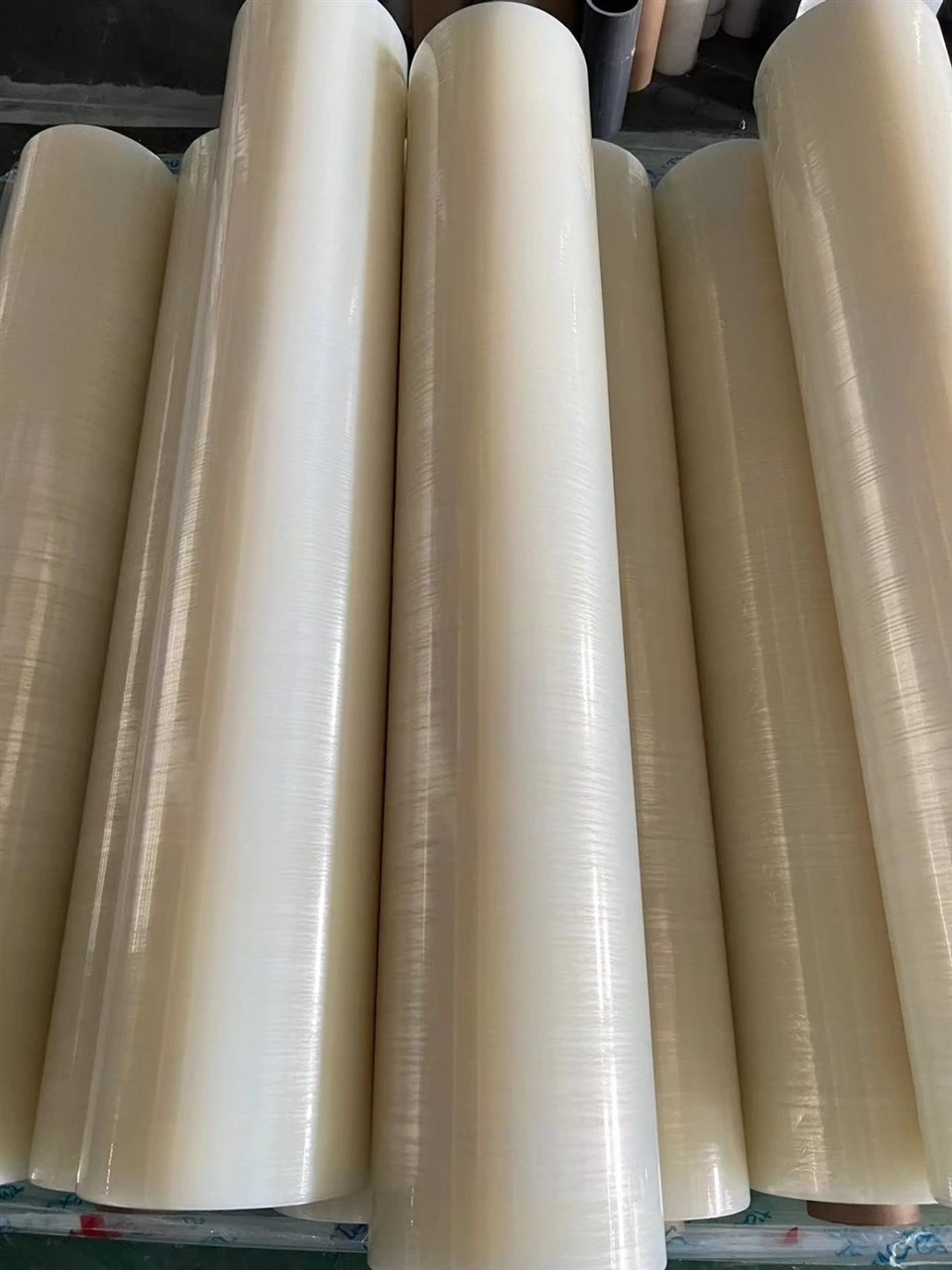
We also offer Curtain Wall PE Glass Protective Film which can be applied to shaped glass. This film not only protects the glass from scratches and damage during construction and transportation but also can enhance its aesthetic appeal.
Now, let's move on to plastic. Plastic is everywhere these days, and that's because it's so versatile. It can be molded into almost any shape you can think of. There are several different molding techniques for plastic, and each one has its own benefits.
Injection molding is one of the most popular methods. In this process, plastic pellets are heated until they melt. Then, the molten plastic is injected into a mold under high pressure. Once it cools and hardens, the mold is opened, and you have your finished plastic part. This method is great for making high - volume, complex parts, like toy parts, automotive components, and even medical devices.
Extrusion is another technique. This is when plastic is pushed through a die, which is a shaped opening. As the plastic comes out of the die, it takes on the shape of the opening. This is how things like plastic pipes, straws, and window frames are made. It's a continuous process, so you can make long, uniform pieces of plastic.
Blow molding is similar to the glass - blowing process we talked about earlier. In blow molding, a tube of molten plastic (called a parison) is placed in a mold. Air is then blown into the parison, causing it to expand and take on the shape of the mold. This method is often used to make plastic bottles and containers.
We have a wide range of plastic products that can be custom - shaped to meet your needs. Whether you're looking for a unique packaging design or a specialized industrial part, we've got you covered.
And then there's film. Films made from glass, plastic, or other materials are incredibly useful, and they too can be manipulated into different shapes. For example, Window Glass Protection Film and Glass Pe Protection Film can be cut and shaped to fit different window sizes and designs.
Films can be shaped in several ways. Precision cutting machines can be used to cut them into specific shapes and sizes. They can also be thermoformed, which means heating the film until it becomes soft and then stretching it over a mold to take on the desired shape. This is commonly used in packaging to create clamshell cases or blister packs.
Now, you might be wondering why you'd want to mold these materials into different shapes. Well, the reasons are endless. In architecture, shaped glass can be used to create stunning facades and unique interior spaces. For businesses, custom - shaped plastic products can enhance brand identity and functionality. And in packaging, custom - shaped films can provide better protection and a more attractive presentation for products.
Whether you're an architect, a product designer, a manufacturer, or just someone with a creative idea, we can help you turn your vision into reality. Our team has years of experience in working with glass, plastic, and film, and we have the expertise and equipment to mold these materials into the shapes you need.
If you're interested in exploring the possibilities of molded glass, plastic, or film for your next project, don't hesitate to reach out. We're here to answer your questions, provide samples, and work with you to find the best solutions. Let's start a conversation and see what amazing things we can create together!
References
- "The Science of Glassmaking" by John Doe
- "Plastic Molding Techniques: A Comprehensive Guide" by Jane Smith
- "Film Manufacturing and Shaping" by Robert Johnson