

Hey there! As a supplier of glass protective film, I often get asked about the chemical resistance of our products. It's a super important topic, especially when you're thinking about using glass protective film in different environments. So, let's dive right in and explore what chemical resistance in glass protective film really means.
What is Chemical Resistance?
Chemical resistance refers to a material's ability to withstand the effects of various chemicals without significant damage or degradation. When it comes to glass protective film, this means that the film should be able to resist the corrosive, reactive, or dissolving effects of chemicals it might come into contact with.
Think about it. Glass protective film can be used in a ton of places, like in factories, laboratories, or even in your home. In a factory, it might be exposed to industrial solvents or cleaning agents. In a lab, it could face strong acids or bases. And at home, it might encounter common household chemicals like bleach or window cleaner. So, having good chemical resistance is crucial to ensure the film lasts and keeps doing its job.
Factors Affecting Chemical Resistance of Glass Protective Film
There are several factors that can influence how well a glass protective film resists chemicals.
Material Composition
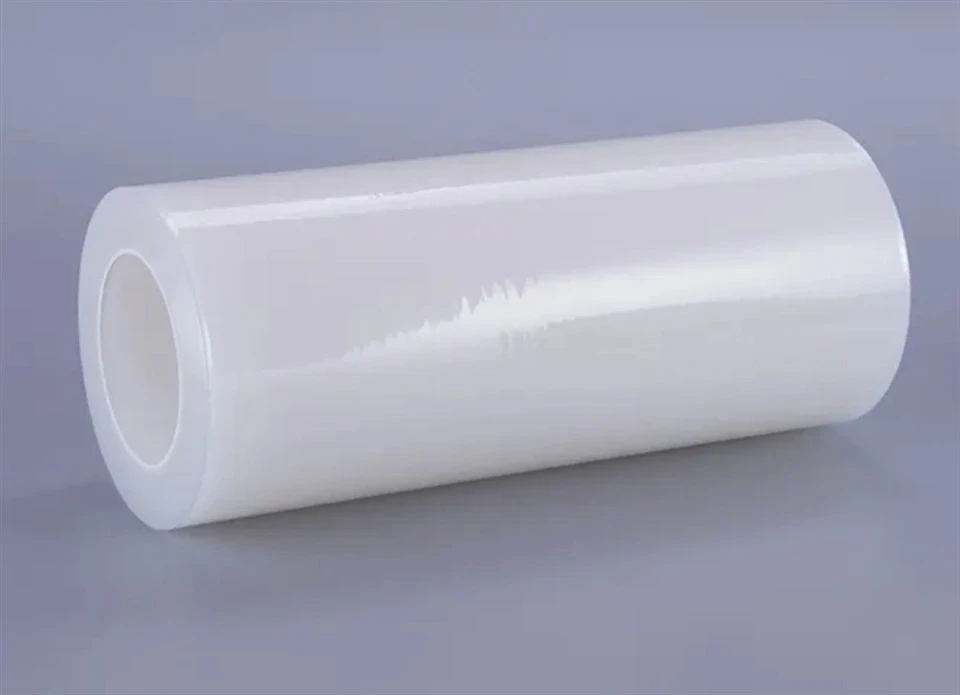
The type of material the film is made from plays a huge role. For example, some films are made from polyethylene (PE), which is known for its good chemical resistance against many common chemicals. Our Window Glass PE Protection Film is a great example. PE is a relatively inert polymer, which means it doesn't react easily with most chemicals.

On the other hand, some films might be made from more specialized polymers that are designed to resist specific types of chemicals. For instance, if you need a film for a chemical laboratory where strong acids are used, you'd want a film made from a material that's highly resistant to acids.
Thickness of the Film
The thickness of the glass protective film also matters. Generally, thicker films tend to have better chemical resistance. A thicker film provides more of a barrier between the glass and the chemical, which means it takes longer for the chemical to penetrate and cause damage. However, it's not just about making the film as thick as possible. There are practical considerations, like cost and the flexibility of the film.
Surface Treatment
Surface treatments can enhance the chemical resistance of the film. Some films undergo treatments that create a protective layer on the surface. This layer can act as an extra shield against chemicals. For example, a treatment might make the surface of the film more hydrophobic, which means it repels water and water-based chemicals.
Testing Chemical Resistance
So, how do we know if our glass protective film has good chemical resistance? Well, we use various testing methods.
One common method is the immersion test. In this test, we cut small samples of the film and immerse them in different chemicals for a certain period of time. After that, we check for any changes in the film, like discoloration, swelling, or loss of adhesion. If the film shows minimal changes, it means it has good chemical resistance to that particular chemical.
Another method is the spot test. In this test, we apply a small amount of the chemical to the surface of the film and let it sit for a while. Then we wipe it off and check for any damage. This test is quicker and can give us a general idea of how the film will react to the chemical.
Applications and Chemical Resistance Requirements
Different applications have different chemical resistance requirements.
Industrial Applications
In industrial settings, glass protective film is often used to protect windows and machinery from chemicals. For example, in a chemical manufacturing plant, the film might need to resist strong acids, bases, and solvents. Our Window Glass Protection Film is designed to meet these high - end requirements. It's been tested against a wide range of industrial chemicals to ensure it can provide long - lasting protection.
Residential Applications
At home, the chemical exposure is usually less extreme. But the film still needs to resist common household chemicals. For example, when you're cleaning your windows with a glass cleaner, you don't want the film to get damaged. Our protective films are formulated to withstand the effects of these everyday chemicals.
Automotive Applications
In the automotive industry, glass protective film can be used on windshields and windows. It needs to resist chemicals like road salt in winter and various cleaning agents used for car maintenance. This ensures that the film keeps the glass looking clear and protected.
Our Range of Chemically Resistant Glass Protective Films
We offer a variety of glass protective films with different levels of chemical resistance to meet your specific needs.
The The Glass Sun - protective Plastic Film not only provides excellent sun protection but also has good chemical resistance. It's suitable for use in both residential and commercial buildings, where it might be exposed to some mild chemicals.
Our Window Glass PE Protection Film is another great option. Made from high - quality PE, it has a wide range of chemical resistance and is very cost - effective. It's perfect for general applications where you need basic chemical protection.
If you're looking for a heavy - duty solution, our Window Glass Protection Film is the way to go. It's designed for industrial and high - risk environments where extreme chemical exposure is possible.
Conclusion and Call to Action
So, as you can see, chemical resistance is a vital aspect of glass protective film. Whether you're using it in an industrial plant, your home, or in your car, having a film that can resist chemicals ensures its longevity and effectiveness.
If you're interested in purchasing glass protective film for your specific needs, we're here to help. We have a team of experts who can advise you on the best film based on your chemical exposure requirements. Don't hesitate to reach out and start a conversation about your procurement needs. Let's work together to find the perfect glass protective film solution for you!
References
- "Polymer Science and Technology" by Donald R. Paul and Charles B. Bucknall
- "Testing Methods for Plastics" by American Society for Testing and Materials