

As a supplier of Tile Protection Film, I've been asked countless times whether our product can effectively protect against stains. This question is not only relevant to the quality of our film but also to the long - term beauty and functionality of the tiles it guards. In this blog, I'll delve into the science behind tile protection film and its ability to fend off stains.
The Basics of Tile Protection Film
Tile protection film is a thin layer of material applied to the surface of tiles. It acts as a barrier between the tile and the external environment. There are different types of tile protection films available in the market, each with its own set of properties. For instance, Plastic Films For Protecting Tile are known for their durability and flexibility. These films can be easily applied to various tile surfaces, including ceramic, porcelain, and marble.
Ceramic tiles, in particular, are very popular in both residential and commercial settings. Ceramic Tile Protection Film is specifically designed to meet the needs of ceramic tile users. It provides a transparent and protective layer that doesn't interfere with the aesthetic appeal of the tiles while safeguarding them from potential damage.
How Tile Protection Film Protects Against Stains
The primary way tile protection film protects against stains is by creating a physical barrier. When a spill occurs on a tile covered with protection film, the liquid sits on top of the film rather than seeping into the porous surface of the tile. This makes it much easier to clean up the spill before it has a chance to leave a stain.
Most tile protection films are made from materials that are resistant to common staining agents such as oil, grease, and food dyes. For example, the Blue Protective Film For Floor Tiles is engineered to repel these substances. Its smooth surface reduces the adhesion of stains, allowing for quick and easy wiping.
In addition to physical protection, some tile protection films also have chemical properties that prevent staining. They may contain additives that react with potential staining agents, neutralizing them before they can cause damage. For instance, certain films can break down the chemical bonds in oil - based stains, making them easier to remove.
Testing the Stain - Protection Capabilities
To ensure the effectiveness of our tile protection film, we conduct a series of rigorous tests. We simulate real - world scenarios by exposing the film - covered tiles to various staining agents. For example, we pour red wine, coffee, and soy sauce on the tiles and measure how long it takes for the stains to set in.
In our tests, we've found that tiles covered with our protection film can withstand spills for a significantly longer time compared to unprotected tiles. Even after extended exposure to staining agents, the film can be easily removed, revealing a clean and stain - free tile surface.
Limitations of Tile Protection Film
While tile protection film is highly effective in protecting against stains, it does have its limitations. If a spill is left on the film for an extended period, there is still a risk of staining. For example, if a highly concentrated acid or alkaline substance is spilled and not cleaned up immediately, it may eventually penetrate the film and damage the tile.
Also, the film may not be completely resistant to all types of stains. Some industrial - strength chemicals or extremely stubborn stains may pose a challenge. In such cases, additional cleaning measures may be required.
Real - World Applications
Tile protection film has a wide range of real - world applications. In the home, it can be used in kitchens, bathrooms, and dining areas to protect the tiles from everyday spills and stains. In commercial settings, such as restaurants, hotels, and shopping malls, it can help maintain the appearance of the tiled floors and walls, reducing the need for frequent and costly cleaning.

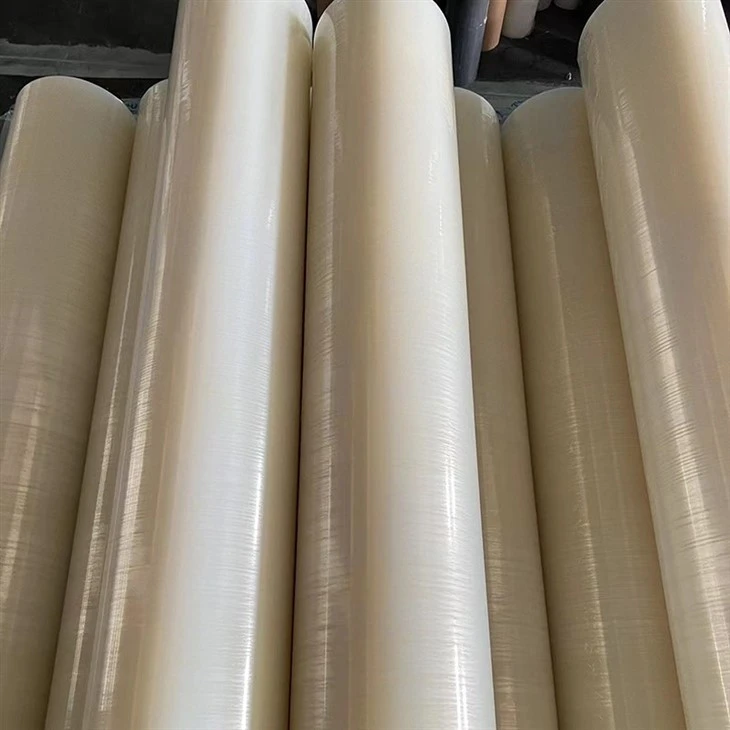
For new construction projects, applying tile protection film during the building process can save a lot of time and money. It protects the tiles from construction - related stains, such as cement dust, paint splatters, and dirt. Once the project is completed, the film can be easily removed, leaving the tiles looking brand new.
Maintaining the Tile Protection Film
To ensure the continued effectiveness of the tile protection film, proper maintenance is essential. Regular cleaning of the film - covered tiles is recommended. Use a mild detergent and a soft cloth to wipe the surface. Avoid using abrasive cleaners or scrubbers, as they may damage the film.
If the film shows signs of wear or damage, it should be replaced promptly. A damaged film may not provide adequate protection against stains and other forms of damage.
Conclusion
In conclusion, tile protection film is an effective solution for protecting tiles against stains. It creates a physical and chemical barrier that repels common staining agents and makes cleaning up spills much easier. While it has some limitations, with proper use and maintenance, it can significantly extend the lifespan and beauty of your tiles.
If you're interested in protecting your tiles from stains, our tile protection film is the perfect choice. We offer a wide range of products to meet your specific needs. Whether you're a homeowner looking to protect your kitchen tiles or a contractor working on a large - scale construction project, we have the right solution for you. Contact us to discuss your requirements and start protecting your tiles today.
References
- ASTM International. Standard Test Methods for Evaluating the Stain Resistance of Ceramic Tile and Glass Tile. ASTM C1028 - 15.
- Tile Council of North America. Guide to Tile Installation and Maintenance. 2020 Edition.
- Journal of Materials Science. "The Role of Surface Coatings in Protecting Porous Materials from Stains." Vol. 50, Issue 12.