

Is car protective film flammable? This is a question that many car owners and enthusiasts often ask. As a supplier of high - quality car protective films, I understand the importance of this query and am here to provide you with a comprehensive and scientific answer.

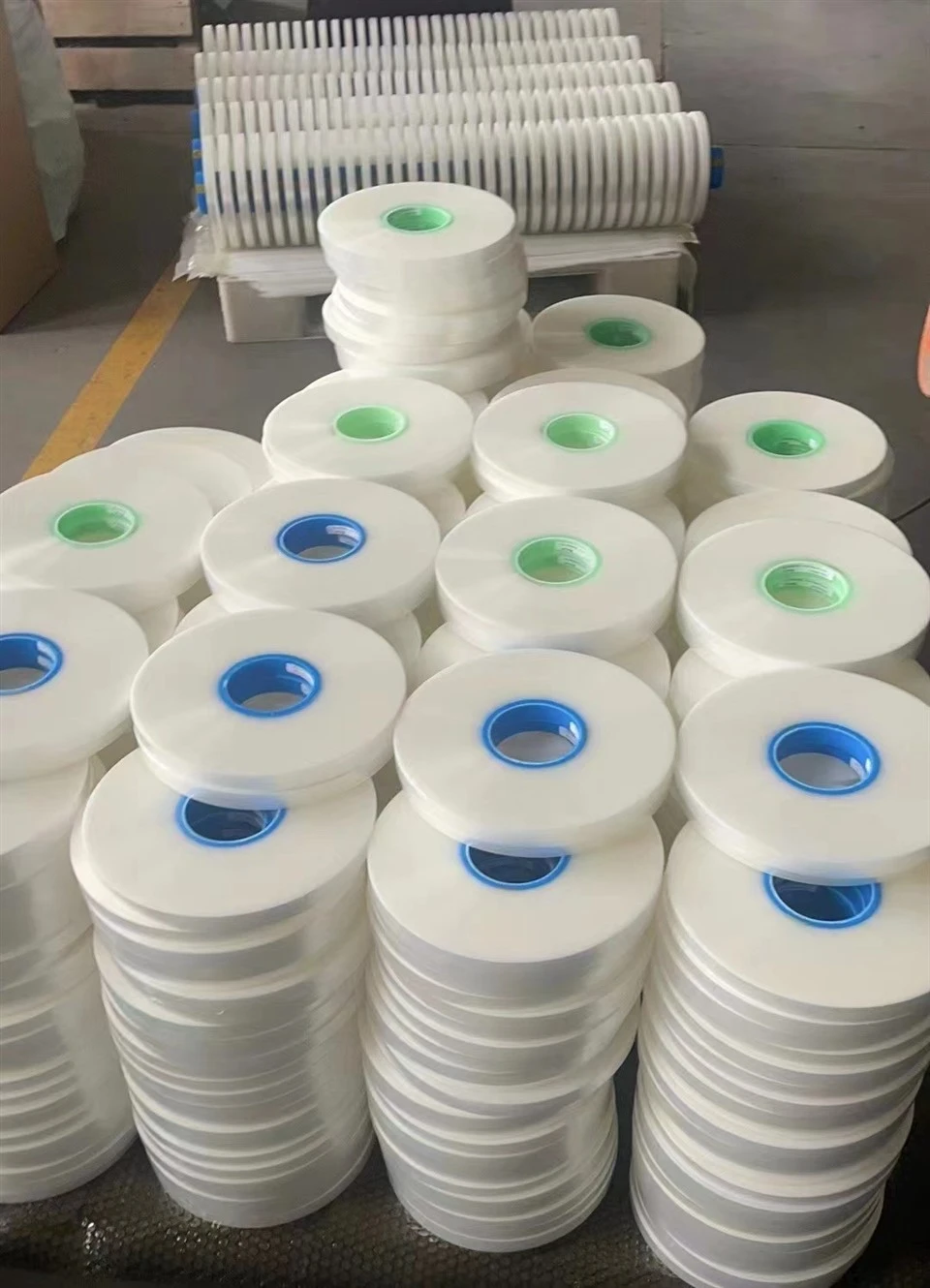
Understanding Car Protective Films
Car protective films come in various types and are designed to serve different purposes. There are Car Hood Clear Wrap Film that protect the car's hood from scratches, chips, and UV damage. The Car Roof Adhesive Film is used to safeguard the roof area, while Automotive Exterior Protective Film can be applied to multiple exterior parts of the vehicle.
These films are typically made from different materials, including thermoplastic urethane (TPU), polyvinyl chloride (PVC), and polyethylene terephthalate (PET). Each material has its own set of properties, and these properties have a significant impact on the film's flammability.
Flammability of Different Materials Used in Car Protective Films
Thermoplastic Urethane (TPU)
TPU is one of the most popular materials for car protective films. It is known for its excellent flexibility, durability, and self - healing properties. In terms of flammability, TPU has a relatively high ignition temperature. When exposed to a flame, TPU will not catch fire easily. It may start to melt and deform before it actually catches fire. This is because TPU has a certain degree of heat resistance.
The chemical structure of TPU contains strong bonds that require a significant amount of energy to break. When heat is applied, the energy is first used to break the intermolecular forces, causing the material to soften and melt. Only when the temperature is extremely high and the energy is sufficient to break the chemical bonds will TPU start to burn.
Polyvinyl Chloride (PVC)
PVC is another common material used in car protective films. PVC has a complex flammability behavior. On one hand, it contains chlorine atoms in its chemical structure. Chlorine is a halogen, and halogen - containing polymers like PVC have some inherent flame - retardant properties. When PVC is heated, the chlorine atoms can react with free radicals produced during the combustion process, which can inhibit the spread of the flame.
However, PVC also releases toxic gases when it burns. These gases include hydrogen chloride (HCl), which is highly corrosive and can be harmful to human health. Additionally, if the PVC film is not properly formulated with flame - retardant additives, it can still catch fire relatively easily. Some low - quality PVC films may have a lower ignition temperature and can burn more readily compared to well - formulated ones.
Polyethylene Terephthalate (PET)
PET is a widely used polymer in many industries, including the automotive industry. PET has a relatively high melting point, but it is flammable. When exposed to a flame, PET will start to melt and then burn. The combustion of PET produces carbon dioxide, water, and some other by - products.
The flammability of PET can be affected by its thickness and the presence of additives. Thicker PET films may take longer to catch fire compared to thinner ones because more heat is required to raise the temperature of the entire film to the ignition point. Flame - retardant additives can also be added to PET to reduce its flammability.
Factors Affecting the Flammability of Car Protective Films
Film Thickness
Thicker car protective films generally have a lower flammability compared to thinner ones. A thicker film requires more heat to reach its ignition temperature because there is more material to heat up. For example, a thick TPU film will take longer to catch fire than a thin TPU film when exposed to the same heat source.
Additives
Many car protective films are formulated with additives to improve their performance, including flame - retardant additives. These additives work by either releasing flame - inhibiting gases when heated or by forming a protective char layer on the surface of the film. For instance, some films may contain phosphorus - based additives. When the film is heated, these additives decompose and release phosphorus - containing compounds that can react with free radicals in the flame, suppressing the combustion process.
Environmental Conditions
The environmental conditions also play a role in the flammability of car protective films. In a well - ventilated area, the heat generated during the combustion process can be dissipated more quickly, which may reduce the likelihood of the film catching fire. On the other hand, in a confined space with poor ventilation, the heat can build up, increasing the risk of the film reaching its ignition temperature.
Industry Standards and Regulations
The automotive industry has strict standards and regulations regarding the flammability of car components, including car protective films. These standards are in place to ensure the safety of the vehicle and its occupants.
Manufacturers of car protective films are required to test their products to meet these standards. For example, some standards specify the maximum rate of flame spread, the minimum ignition temperature, and the amount of toxic gases released during combustion. By adhering to these standards, manufacturers can ensure that their films are safe to use in automotive applications.
Safety Precautions
Although modern car protective films are designed to be as safe as possible in terms of flammability, it is still important to take some safety precautions.
- Avoid direct contact with open flames: Do not expose the car protective film to open flames, such as cigarettes, torches, or welding equipment. Even if the film has a relatively high ignition temperature, it is still better to avoid unnecessary risks.
- Keep the film clean: A dirty film may have a higher risk of catching fire. Dirt and debris can act as heat - absorbing agents, which can increase the temperature of the film when it is exposed to sunlight or other heat sources.
- Regular inspection: Regularly inspect the car protective film for any signs of damage or wear. A damaged film may be more vulnerable to heat and fire.
Conclusion
In conclusion, the flammability of car protective films depends on the materials used, the film's thickness, the presence of additives, and environmental conditions. While some materials like TPU have relatively good heat resistance and are not easy to catch fire, others like PET are flammable.
As a supplier of car protective films, we are committed to providing high - quality products that meet the strictest safety standards. Our films are carefully formulated and tested to ensure that they are not only effective in protecting your car but also safe in terms of flammability.
If you are interested in purchasing our car protective films, whether it is Car Hood Clear Wrap Film, Car Roof Adhesive Film, or Automotive Exterior Protective Film, please feel free to contact us for more information and to start a procurement negotiation. We are here to provide you with the best solutions for your car protection needs.
References
- "Plastics Flammability Handbook" by Rudolf V. Rosato and Dominick V. Rosato.
- "Polymer Science and Technology" by Allan S. Hay.
- Industry standards and regulations related to automotive flammability.