

As a supplier of glass, plastic, and film, I've had the privilege of delving deep into their electro - optical properties. These properties are super important as they play a huge role in various applications, from simple household items to high - tech industries.
Let's kick things off with glass. Glass is a well - known material, and its electro - optical properties are quite remarkable. First off, glass generally has high transparency in the visible light spectrum. This is why we use it for windows, lenses, and display screens. When light hits a piece of glass, a large portion of it passes through, allowing us to see clearly through it.
However, the transparency of glass isn't the same across all wavelengths. In the ultraviolet (UV) and infrared (IR) regions, the situation is different. Some types of glass can block a significant amount of UV light. That's where UV - blocking glass film comes in. If you're interested in this, you can check out UV - blocking Glass Film. It's designed to enhance the glass's ability to block harmful UV rays, which is great for protecting furniture, artwork, and our skin from UV damage.
Another interesting property of glass is its refractive index. This determines how much light bends when it enters the glass from another medium, like air. Different types of glass have different refractive indices, which makes them suitable for various optical components. For example, high - refractive - index glass is used in camera lenses to focus light more effectively and create sharper images.
Now, let's move on to plastic. Plastic is a versatile material, and its electro - optical properties can vary widely depending on the type of plastic. One common type of plastic used in optical applications is polycarbonate. Polycarbonate has good transparency in the visible light range, similar to glass. It's also lightweight and shatter - resistant, which makes it a popular choice for safety glasses and some types of display screens.
Plastic can be engineered to have specific electro - optical properties. For example, some plastics can be made to be highly reflective, which is useful in applications like mirrors. On the other hand, anti - reflective plastics are used to reduce glare on display screens. This is especially important for devices like smartphones and tablets, where glare can make it difficult to see the screen.
One of the advantages of plastic is its flexibility. You can mold it into different shapes, which gives designers more freedom in creating optical components. For instance, flexible plastic films can be used for curved displays, which are becoming more and more popular these days.
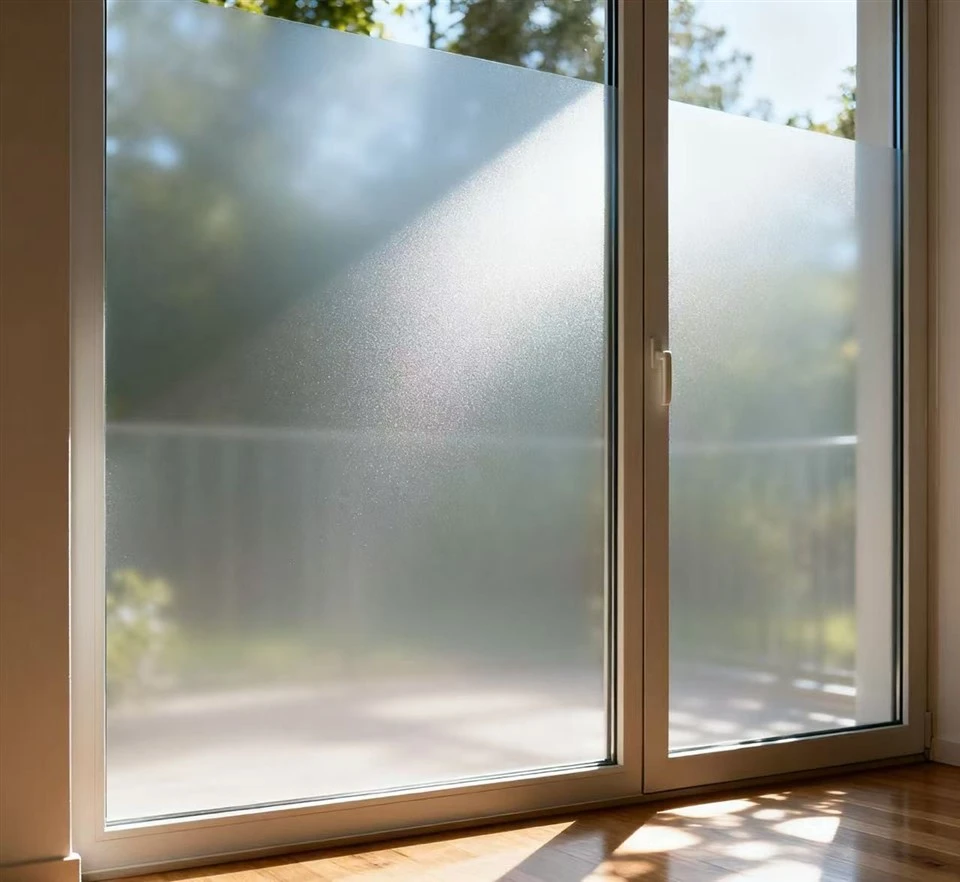
Speaking of films, they have their own unique electro - optical properties. One type of film that we supply is the PE self - adhesive film designed for glass. PE Self - adhesive Film Designed For Glass has several functions related to electro - optical properties. It can act as a protective layer, reducing the amount of light that causes scratches on the glass surface. At the same time, it can also change the appearance of the glass, like making it more frosted or mirror - like.
Another popular film is the glass UV protection film. Glass Uv Protection Film is specifically designed to block UV rays. It works by absorbing or reflecting the UV light before it reaches the glass. This not only protects the interior from UV damage but can also help reduce the temperature inside a building by blocking some of the heat - generating UV light.
Films can also be used to control the amount of visible light that passes through. Privacy films, for example, can switch from transparent to opaque. When they're in the opaque state, they block the view from the outside, while still allowing some light to pass through. This is a great feature for offices and bathrooms.

In the industrial sector, the electro - optical properties of these materials are crucial. For example, in the solar panel industry, glass needs to have high transparency and good light - trapping properties to maximize the absorption of sunlight. Plastic films can be used as encapsulants, protecting the solar cells from moisture and oxygen, while also allowing light to reach the cells.
Telecommunication is another area where these materials shine. Optical fibers, which are often made of glass, rely on their high - transparency and low - attenuation properties to transmit light signals over long distances. Plastic - based optical fibers are also being developed, offering advantages like flexibility and lower cost.
When it comes to choosing the right material, it depends on the specific application. If you need high transparency and good mechanical strength, glass might be the best option. But if you're looking for a lightweight, flexible, and cost - effective material, plastic or film could be more suitable.
As a supplier, I'm always excited to help customers find the perfect material for their needs. Whether you're working on a small DIY project or a large - scale industrial application, I can provide you with detailed information about the electro - optical properties of our glass, plastic, and film products. If you're interested in learning more or starting a purchase negotiation, feel free to reach out. I'm here to answer all your questions and give you the best advice on which products will work best for you.
References
- "Optical Properties of Glass" - [Author Name], [Year of Publication]
- "Plastic in Optical Applications" - [Author Name], [Year of Publication]
- "Advanced Film Technologies for Light Control" - [Author Name], [Year of Publication]