


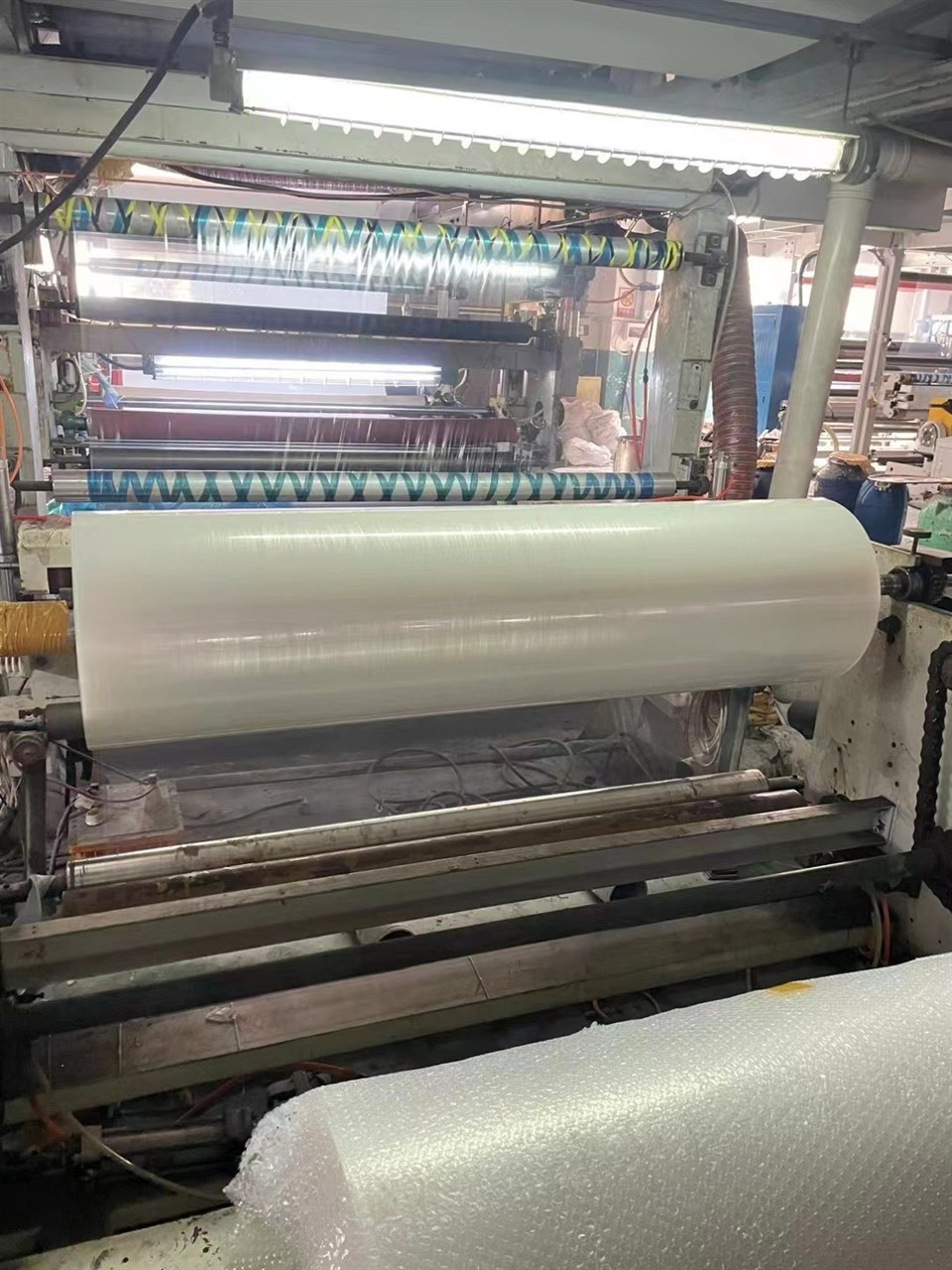
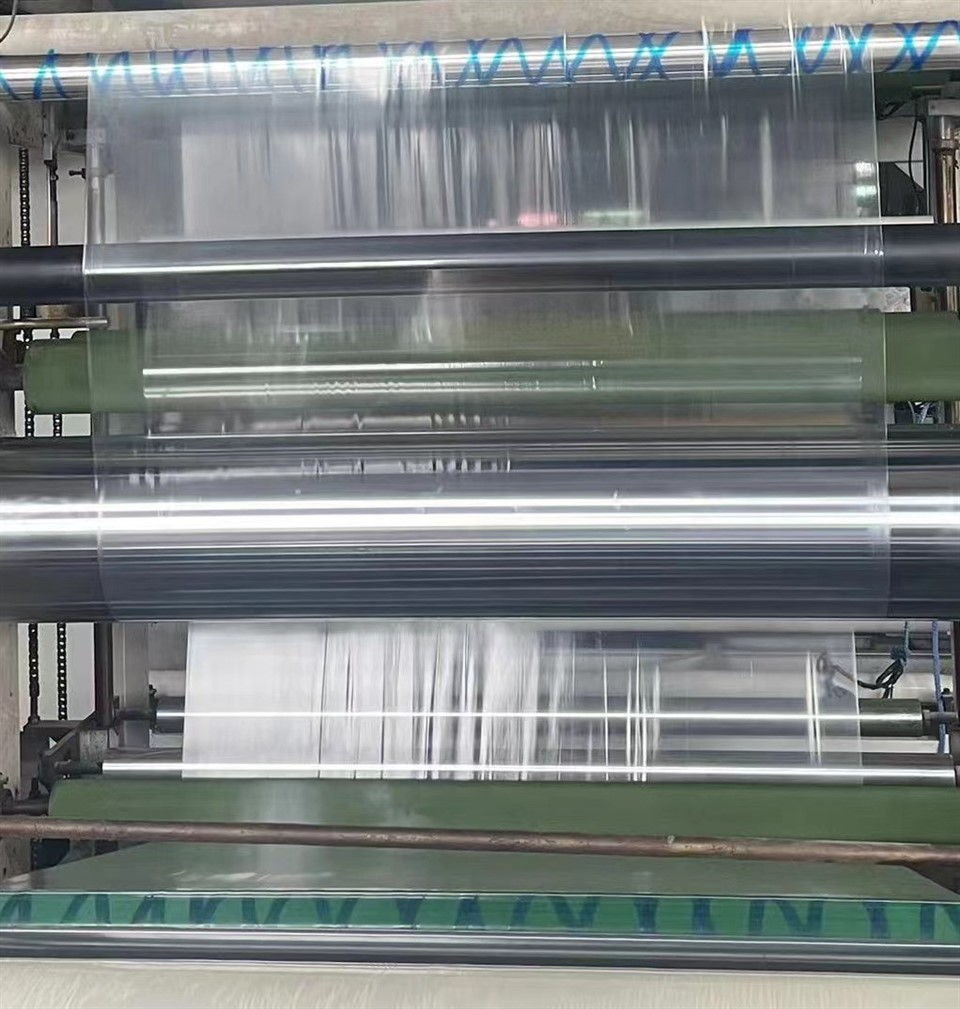
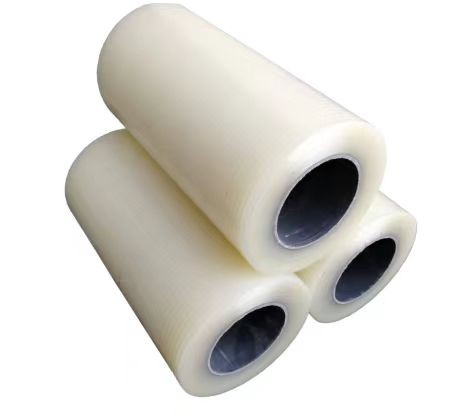
|
Place of Origin |
Zhejiang, China |
|
Brand Name |
Gaosheng |
|
Length |
As your required |
|
Width |
As your required |
|
Color |
Transparent, other colors can customize |
|
Thickness |
0.02mm-0.2mm |
|
Printing Thickness |
0.03mm-0.2mm |
|
Printing |
1-3 colors logo printing |
|
MOQ |
50000 square meters |
|
Leading Time |
About 15-20 days |
|
Packaging |
Carton or Pallet |
|
Business Type |
Manufacturer |
product introduction

Main Functions of PE Protective Film
1. Scratch Resistance: Protects the glossy panels, glass doors, or metal casings of home appliances (such as refrigerators, ovens, dishwashers, and microwaves) from scratches during transportation, installation, and daily use.
2. Oil Stain and Corrosion Resistance: In the kitchen with heavy oil fumes, the protective film can effectively isolate oil stains, sauces, detergents, etc., preventing them from corroding or seeping into the panels and keeping the appliances as good as new.
3. Fingerprint Resistance: For stainless steel surfaces or dark glossy home appliances, the protective film can effectively reduce fingerprint residue and maintain an attractive appearance.
4. Temporary Protection: During new house decoration or kitchen renovation, the protective film can be pasted to prevent damage to home appliances caused by building materials, dust, etc.
Types of PE Protective Films for Kitchen Appliances
According to materials and characteristics, they are mainly divided into the following categories:
1. Static Film (Adhesive-Free Self-Adhesive Film)
Principle: Adheres to the surface of objects by static electricity, without any glue.
Advantages: No residual glue when torn off, reusable, and does not damage the surface. Very suitable for temporary protection or smooth surfaces.
Disadvantages: Weak adhesion, poor adhesion to rough or irregular surfaces.
Applicable to: Glossy refrigerator panels, glass stovetops, microwave oven doors, etc.
2. PE Film with Low-Tack Pressure-Sensitive Adhesive
Principle: The back is coated with a layer of acrylic adhesive or rubber-based adhesive with very low viscosity.
Advantages: Stronger adhesion than static film, more firm pasting, but specially designed to still not easily leave glue after removal.
Disadvantages: There is still a small probability of leaving glue when pasted for a long time (several years) or under high temperature.
Applicable to: Flat casings of most kitchen appliances, such as refrigerator sides, dishwasher panels, range hood casings.
3. High-Transparency PET Protective Film
Principle: Made of PET (polyester fiber), usually with low-tack silica gel.
Advantages: Extremely high transparency, good hardness, and stronger scratch resistance than PE film.
Disadvantages: Slightly higher price and less flexibility than PE film.
Applicable to: Touch screens, glass panels, and display areas of high-end home appliances that require extremely high transparency.

Certifications
Our company has approved by ISO9001 International Quality System Certification, MSDS Report, ROHS Report and REACH Report, strictly carried it out in the process of research, production and selling.

ISO9001

MSDS

REACH

ROHS
why choose us
Our company is a professional manufacturer in protective film. It was founded in 2002. We have more than 20 years of production experience. Our company is located in Zhejiang Province, close to Hangzhou and Shanghai.
Rich Experience
High Quality
Reasonable Price
Good Service and Reputation
FAQ

01. What should I do if there is adhesive residue left after tearing off the protective film?
This is because a film with excessively strong adhesion or an unsuitable film was used. You can use the following methods to remove it:
Special adhesive remover: Most effective, but you need to test it on an inconspicuous area first to see if it will damage the surface.
Fengyoujing (essential balm) or alcohol: Apply it to the adhesive residue, wait for a moment, and then wipe it with a soft cloth.
Eraser: For small areas of residual adhesive, slowly wipe it off with an eraser.
02. What if the film pasted on the oven door melts after being heated?
03. Will the yellowing of the protective film affect the appearance of home appliances?


